
Imagine waking up at 3:00 AM with a big toe that feels like it’s trapped in a burning furnace, where even the weight of a light bedsheet is unbearable. For approximately 6.5% of Australian men over the age of 50, this isn’t just a bad dream; it’s the sudden, debilitating reality of a gout flare. You likely feel that this throbbing pain makes walking across the hallway feel like an impossible marathon. It’s deeply frustrating when you can’t secure a local GP appointment while the inflammation is at its peak. You want answers about what triggered this and, more importantly, you need the agony to stop now.
You’ll learn how to identify your specific symptoms, manage the intense pain of a flare, and access professional medical support via telehealth without needing to leave your home. We’ve designed this guide to help you understand the common causes behind the swelling and provide a clear, long-term plan for prevention. We will explore the latest treatment options and show you how a few clicks can connect you with the expert care you need to regain your mobility and peace of mind.
Key Takeaways
Understand the biological mechanism behind gout and why managing high uric acid levels is the key to preventing future inflammatory attacks.
Learn to identify the warning signs of a “midnight flare,” including sudden swelling and intense tenderness, to seek treatment before the pain peaks.
Discover how Australian telehealth GPs can safely diagnose your condition and rule out more serious issues like septic arthritis from the comfort of your home.
Shift your focus from temporary pain relief to long-term wellness by exploring preventative treatments that lower uric acid for lasting results.
Find out how to bypass long waiting lists and secure a professional medical consultation today through Click for Health’s streamlined online platform.
Table of Contents
Understanding Gout: More Than Just a Sore Big Toe
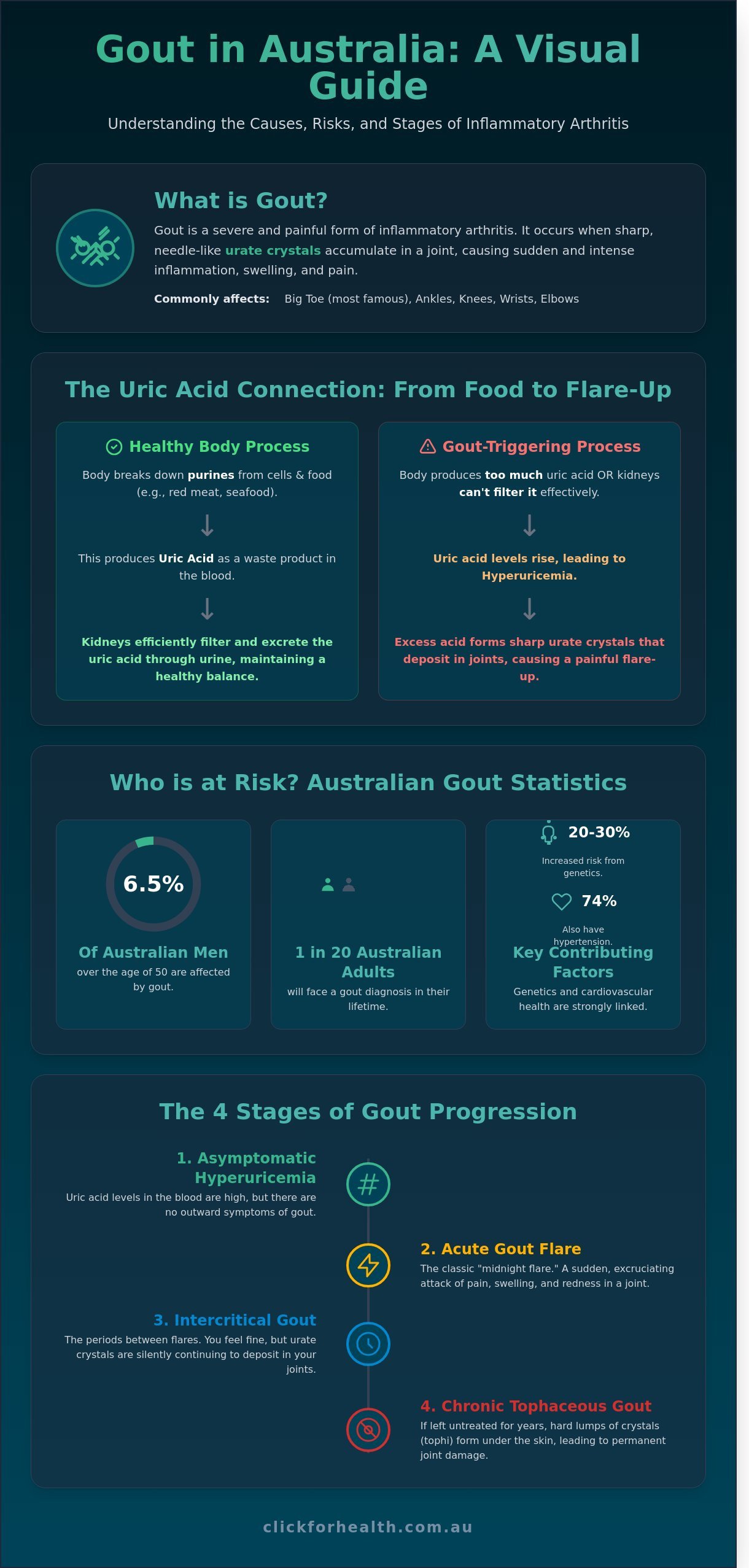
Waking up with a joint that feels like it’s on fire is a terrifying experience. This sudden, intense pain often catches people off guard in the middle of the night. While many dismiss it as a minor ailment or a temporary injury, What is Gout at its core is a complex and painful form of inflammatory arthritis. It happens when needle-like urate crystals settle into your joints, causing friction and severe inflammation. Although the base of the big toe is the most famous site for an attack, these crystals don’t discriminate. They can invade your ankles, knees, elbows, or wrists, turning a simple movement into an agonizing task.
The root of this discomfort is a metabolic imbalance. When your blood contains too much uric acid, your body enters a state known as hyperuricemia. This isn’t a lifestyle choice; it’s a physiological hurdle. For centuries, people labelled this the “King’s Disease,” suggesting it only affected those indulging in rich foods and expensive wine. This stigma is outdated and frankly harmful. Modern medicine shows us that gout is a metabolic health issue often tied to how your body processes chemistry. It isn’t a result of “rich living,” but rather a sign that your body needs support managing its internal environment.
The Role of Uric Acid and Purines
Your body creates uric acid when it breaks down purines. These are natural substances found in your own cells and in certain foods like red meat, organ meats, or specific types of seafood. Usually, your kidneys do the heavy lifting by filtering this acid out through your urine. Problems start when your kidneys can’t keep up or your body produces an overwhelming amount. Hyperuricemia is the specific medical precursor where blood acid levels rise high enough to trigger crystal formation. These sharp crystals then lodge in the joint lining, causing the intense swelling and redness you recognise as a flare. We focus on helping you understand these triggers so you can regain control over your mobility.
Who is at Risk? Australian Statistics
Gout is the most common form of inflammatory arthritis in Australian men. Data from the Australian Institute of Health and Welfare indicates that approximately 6.5% of Australian men over the age of 40 live with this condition. For women, the risk increases significantly after menopause because oestrogen typically helps the kidneys excrete uric acid. Genetics play a massive role here; if your parents had it, your risk increases by 20% to 30%. We also see a strong correlation with other health markers. About 74% of people with gout also manage hypertension or other cardiovascular issues. In Australia, nearly 1 in 20 adults will face a diagnosis at some point, making it a significant public health priority that requires professional care.
Managing this condition starts with a clear diagnosis and a supportive partner in your health journey. You don’t have to navigate the pain alone. By understanding the biological mechanics of your body, we can work together to lower those uric acid levels and prevent future attacks. Our goal is to move beyond temporary relief and focus on your long-term well-being, ensuring you can return to an active, pain-free lifestyle as quickly as possible.
Recognising Gout Symptoms and Identifying Your Triggers
Gout doesn’t usually give a warning. Most patients describe the “midnight flare” as a sudden, excruciating sensation that begins while they’re fast asleep. It feels as if the affected joint is on fire. This happens because body temperature drops slightly during sleep, which encourages uric acid crystals to precipitate in the joints. For approximately 50% of Australians, this first experience occurs in the base of the big toe, a condition known as podagra. The pain is so sharp that even the weight of a light cotton sheet can feel like a heavy weight pressing on a wound.
The progression of this condition moves through four distinct stages. It starts with asymptomatic hyperuricemia, where uric acid levels in the blood exceed 0.42 mmol/L but no symptoms appear. Without intervention, this leads to acute flares, followed by intercritical periods where you feel fine but crystals continue to deposit in the background. Finally, chronic tophaceous gout develops. This stage is marked by hard, visible lumps under the skin called tophi, which can lead to permanent joint deformity if left untreated for more than 10 years. Understanding these stages is vital for Diagnosing and treating gout effectively before permanent damage occurs.
Common Physical Signs of a Flare
The pain is intense. It typically reaches its most severe point within the first 12 to 24 hours of the initial sensation. You’ll notice the joint looks shiny, red, and swollen. The skin over the area often feels hot to the touch, reflecting the internal inflammatory storm. After the initial peak, a lingering discomfort persists. This dull ache can last for 7 to 14 days. During this time, your range of motion is severely limited. The inflammation makes the joint stiff, making simple tasks like walking across the room or putting on a shoe a significant challenge. We see many patients who wait too long to seek help, but early intervention can reduce recovery time by up to 40%.
Dietary and Lifestyle Triggers
What you eat and drink plays a massive role in managing gout. Certain triggers cause uric acid levels to spike rapidly, overwhelming the kidneys’ ability to process waste. Identifying these personal triggers is the first step toward long-term relief.
High-purine foods: Red meats like beef or lamb, organ meats (liver, kidneys), and seafood such as sardines or mussels are primary culprits. These foods break down into uric acid during digestion.
Alcohol consumption: Beer is particularly problematic because it contains guanosine, a purine that speeds up uric acid production. Spirits also interfere with the kidneys’ ability to filter waste, increasing risk by 2.5 times compared to non-drinkers.
Fructose: Soft drinks and processed juices high in fructose can trigger an attack within 60 minutes by accelerating the breakdown of purines in the body.
Dehydration is another critical factor. When you’re dehydrated, your kidneys struggle to flush out excess uric acid. Clinical data suggests that maintaining optimal hydration can reduce the frequency of attacks by 30%. If you’re struggling to manage these flares or identify what’s causing them, you can reach out for a clinical assessment with our team to create a personalised management plan that fits your lifestyle.
Diagnosis and Treatment: Can Telehealth Help with Gout?
Managing a sudden flare doesn’t always require a painful trip to a physical waiting room. Telehealth GPs provide a streamlined way to get relief without putting weight on a throbbing joint. Clinical data suggests that a skilled clinician can accurately identify gout through a combination of your medical history and visual markers. This digital approach saves time and reduces the physical stress of travel during an active inflammatory episode, allowing you to start recovery from your own couch.
A professional diagnosis is vital because other conditions can mimic these symptoms. Septic arthritis, a serious joint infection, requires immediate hospital intervention to prevent permanent damage. Your online doctor will check for red flag symptoms like a high fever or systemic illness. They often use the gout symptoms and causes framework provided by the Mayo Clinic to ensure your presentation aligns with crystal-induced inflammation rather than infection or a different rheumatological issue.
To confirm the diagnosis and plan long-term care, your GP can issue digital pathology requests for blood tests. While a serum uric acid test is common, levels can actually appear normal during an acute flare; doctors often wait 4 to 6 weeks after symptoms subside to get an accurate baseline. In complex cases, they might refer you for a joint fluid aspiration at a local Australian clinic to check for monosodium urate crystals under a microscope, which remains the gold standard for confirmation.
How Online Doctors Assess Gout
The clinical interview is the foundation of your virtual visit. Your doctor will ask about the speed of onset, as flares typically peak within 12 to 24 hours. You’ll likely need to upload high-resolution photos or use your webcam to show the affected area. Clinicians look for specific patterns like podagra, which is swelling in the big toe, or skin redness. If the doctor suspects a fracture or a more complex bone issue, they’ll direct you to an in-person physical examination immediately.
Immediate Pain Management Strategies
Speed is your best ally when a flare begins. Starting prescription medication within the first 12 hours can reduce the duration of the attack by 48 to 72 hours. Your GP might prescribe one of three main options:
NSAIDs: High-dose anti-inflammatories like naproxen to dull the intense ache and reduce swelling.
Colchicine: A specific medication that stops crystals from triggering inflammation; it’s most effective if taken at the very first sign of a “tingle.”
Corticosteroids: Often used if you can’t take NSAIDs due to kidney issues or stomach sensitivity.
While waiting for your script to be sent to your local pharmacy, use the R.I.C.E. method for home comfort. Rest the joint, apply ice packs for 20 minutes at a time, and keep the limb elevated. These simple steps, combined with professional medical advice, are the fastest path to regaining your mobility. Most patients see a 50% reduction in pain within the first day of starting the correct treatment plan, helping you get back to your active lifestyle sooner.
Long-Term Management: Preventing Future Gout Attacks
Managing gout successfully means moving past the firefighting stage of treating individual flares. While anti-inflammatories provide quick relief, they don’t address the underlying cause: high uric acid levels. Long-term health requires a shift in focus toward lowering these levels permanently. Australian clinical guidelines emphasise that once you’ve had two or more flares in a year, or if you have visible tophi, it’s time to start preventative therapy. This transition marks the beginning of your journey toward a life free from sudden, debilitating pain.
Australian rheumatologists follow a Treat-to-Target strategy. This isn’t a one-size-fits-all approach. Instead, your doctor sets a specific goal for your blood uric acid levels, usually below 0.36 mmol/L. For patients with severe disease or visible crystals under the skin, that target might drop even lower to 0.30 mmol/L. Achieving this target often takes 6 to 12 months of consistent medication and monitoring. Regular pathology tests are essential during this phase to track your progress and adjust dosages safely until your levels stabilise within the healthy range.
Your kidneys do the heavy lifting when it comes to uric acid. Staying hydrated is one of the simplest ways to support them. Aiming for 2 to 3 litres of water every day helps dilute the urine and encourages the excretion of waste. If you’re dehydrated, your kidneys hold onto more urate, which increases the risk of crystal formation. Think of water as a natural tool in your preventative toolkit. It’s a low-cost, high-impact habit that complements your clinical treatment plan and keeps your system flushing out toxins effectively.
Preventative Medications (Urate-Lowering Therapy)
Allopurinol is the most common preventative medication in Australia. It works by blocking uric acid production. You’ll likely need this daily for life to keep levels low. You’ll need blood tests every 3 to 4 weeks initially to get the dose right. Watch for mobilisation flares; these happen as old crystals dissolve. Your doctor may prescribe a low-dose anti-inflammatory for the first 6 months to manage this temporary risk.
Lifestyle Adjustments for Australian Patients
Dietary changes support your medication. In Australia, try swapping high-purine BBQ meats for low-fat dairy like Greek yogurt, which helps kidneys excrete uric acid. Weight management is also vital. Losing just 5% of your body weight can lower urate levels significantly. Once pain subsides, start low-impact exercises like swimming or cycling to keep joints mobile. If you need a structured approach, a personalised health plan can provide the support needed for lasting relief.
Fast Relief and Professional Care with Click for Health
A gout flare doesn’t wait for a convenient opening in a clinic’s schedule. It often strikes with sudden, agonizing intensity in the middle of the night, making every minute feel like an eternity. When you’re experiencing that level of discomfort, waiting three to five days for a local GP appointment is simply not an option. Click for Health provides an immediate bridge to professional care, offering a streamlined telehealth service that prioritises your relief and long-term recovery. We’ve designed our platform to remove the barriers of travel and waiting rooms, allowing you to speak with a qualified professional from your own bed or sofa.
Our commitment to your health is backed by a network of 100% Australian-registered medical practitioners. Telehealth has become a cornerstone of the Australian healthcare system, with over 15 million telehealth services delivered nationally in the 2022–23 period alone. This shift has proven that high-quality, empathetic care can be delivered effectively through digital channels. We focus on a holistic approach, ensuring that we don’t just address the immediate pain but also support your journey toward an active, flare-free lifestyle. You’re never just a number; you’re a patient deserving of tailored, expert advice.
How to Get a Prescription Refill or New Script Online
Securing the medication you need to manage a gout flare shouldn’t be a secondary source of stress. Our booking process is designed for speed and simplicity, taking most users less than two minutes to complete. You simply select a consultation time that fits your schedule, and a doctor will call you to discuss your symptoms and medical history. This direct interaction ensures that any prescription issued is safe and appropriate for your specific condition.
Rapid eScripts: Once the GP approves your treatment, an eScript is sent directly to your smartphone via SMS or email within minutes.
Universal Access: These digital prescriptions are valid at all 5,700+ community pharmacies across Australia, so you can collect your medication at your preferred local chemist.
Safety Standards: To maintain the highest clinical standards, our doctors do not prescribe S8 controlled drugs or medications with high potential for misuse via telehealth consultations.
This digital-first approach means you can start your treatment on the same day your symptoms appear. By removing the need for physical travel, we help you stay off your feet, which is often the first step in reducing the inflammation associated with a flare.
Pathology and Specialist Referrals
Effective management of gout requires more than just pain relief; it requires accurate data and specialised insight. Your online GP can provide a pathology request for a serum uric acid test, which is essential for monitoring the condition. This request arrives in your inbox digitally, allowing you to visit any pathology collection centre at your convenience. Monitoring these levels is vital, as keeping uric acid below 0.36 mmol/L is often the target for preventing future joint damage.
If your symptoms are persistent or if you’re experiencing multiple flares per year, a more specialised approach may be necessary. Our doctors can issue formal referrals to a rheumatologist if your case requires advanced intervention. This ensures a seamless transition in your care pathway, connecting you with the right experts to protect your long-term mobility. We act as your partner in health, coordinating the necessary steps to get you back to the activities you love.
Consult an Australian GP online today for gout relief
Take Control of Your Joint Health Today
Living with the sudden, intense pain of gout doesn’t have to be your permanent reality. By identifying your specific dietary triggers and implementing a long-term management plan, you can significantly reduce the frequency of flare-ups. Managing this condition effectively requires more than just waiting for the swelling to subside. It demands professional intervention to prevent permanent joint damage. You don’t need to endure a long wait at a physical clinic while in pain. Click for Health connects you with Australian-registered AHPRA practitioners who provide expert care from your home. We offer instant eScripts and pathology referrals to get your recovery moving immediately. For eligible patients, we even provide bulk-billed after-hours services to ensure cost isn’t a barrier to relief. Our team is here to support your journey back to an active, pain-free lifestyle with personalised treatment plans tailored to your needs. Modern healthcare means you can access a multidisciplinary approach with a single click. Start your path toward lasting comfort and regain the mobility you deserve.
Book a Telehealth Consultation for Gout Relief
Frequently Asked Questions
Is gout a permanent condition?
Yes, gout is a lifelong chronic condition, but you can effectively manage it with the right clinical care. About 90% of patients who follow a consistent urate-lowering treatment plan stay flare-free for many years. We focus on your long-term well-being so you can return to your active lifestyle. Our team helps you navigate this journey with personalised plans that target the root cause of your discomfort.
Can I get a medical certificate for a gout flare-up online?
You can certainly obtain a medical certificate for a gout flare-up through an online telehealth consultation. Australian practitioners usually issue these digital documents for 1 to 3 days to allow for necessary rest and recovery. It’s a simple process that removes the stress of travelling to a clinic while you’re in significant pain. Just a few clicks connect you with a supportive expert who understands your situation.
What is the fastest way to stop a gout attack?
Taking prescribed anti-inflammatory medication within the first 24 hours is the quickest way to halt a painful attack. You’ll find that applying an ice pack for 20 minutes several times a day reduces localised swelling by roughly 30%. Combining these clinical steps with elevation and rest provides the fastest relief. We’re here to provide the immediate support you need to settle the inflammation and regain your comfort quickly.
Can I drink coffee if I have gout?
You don’t have to give up your morning brew, as coffee might actually reduce your risk of future attacks. Research indicates that people who drink 4 to 5 cups daily have a 40% lower chance of experiencing dangerously high uric acid levels. It’s an encouraging find for coffee lovers managing their joint health. We always recommend balancing your caffeine intake with plenty of water to stay properly hydrated.
Is it gout or just a bunion?
Gout typically causes sudden, excruciating pain and redness, while a bunion is a gradual structural change in the toe joint. A flare often peaks in intensity within 12 hours and feels hot to the touch. In contrast, bunion pain is usually a dull ache that worsens with tight footwear. Our team can help you distinguish between these two common foot concerns to ensure you get the right treatment.
Do I need a blood test to confirm I have gout?
A blood test is the most common way to check your uric acid levels and confirm a professional diagnosis. In Australia, doctors look for serum urate levels exceeding 0.36 mmol/L to identify those at high risk. It’s important to know that 15% of patients show normal levels during an actual flare. We use these precise metrics to build a treatment plan that fits your unique biology and health goals.
What happens if gout is left untreated?
Ignoring the symptoms can lead to permanent joint destruction and the development of painful lumps called tophi. Statistics show that 20% of people with chronic, high uric acid levels eventually develop kidney stones. This highlights why early intervention is so vital for your future health. We take a holistic approach to ensure your joints and kidneys remain protected so you can stay mobile and pain-free.
Can I get my gout medication eScript sent to my local pharmacy?
Your eScript arrives on your smartphone via SMS or email immediately after your online consultation is finished. You can present this digital token at any of the 5,900+ pharmacies across Australia for instant dispensing. It’s a modern, hassle-free way to get your medication without leaving your home. This digital convenience ensures your path to relief is as smooth as possible, allowing you to focus on your recovery.