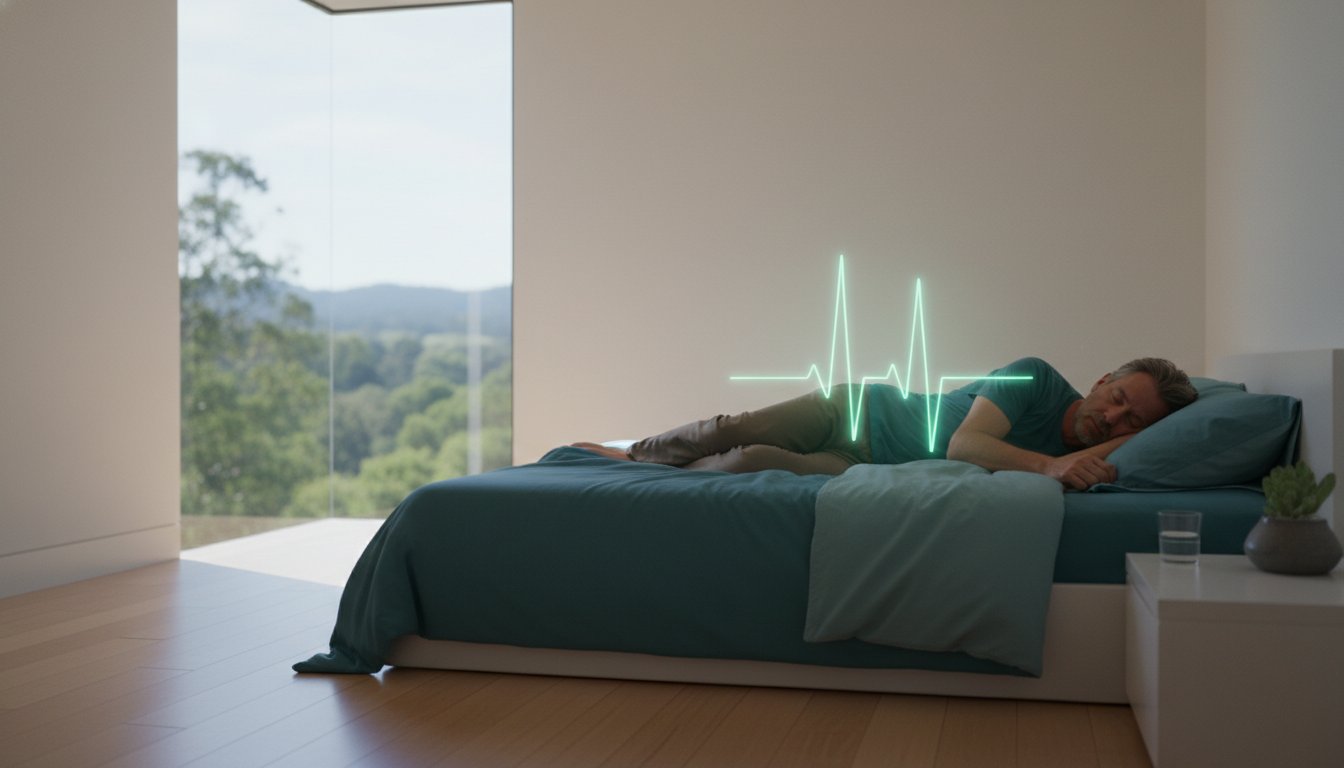
What if your partner’s loud snoring isn’t just a nightly nuisance, but a warning sign of a serious cardiovascular risk? Many Australians living with sleep apnea don’t realise that those midnight gasps for air are actually silent alarms for their long-term health. You’re likely tired of waking up feeling like you haven’t slept at all; the strain on your relationships from noisy nights can feel overwhelming. Recent reports from the Sleep Health Foundation suggest that nearly 5 percent of the population faces this daily burden, yet many remain undiagnosed.
In this guide, you’ll discover the critical signs to watch for and how this condition impacts your heart and metabolic health. We’ll show you how to simplify your journey to recovery by using telehealth to secure a professional referral. You’ll gain a clear understanding of your symptoms and a straightforward path to managing your wellbeing with confidence. We’re exploring the warning signs, the long-term risks, and the modern steps to get your life back on track with just a few clicks.
Key Takeaways
Identify the subtle physical and psychological red flags of sleep apnea, from disruptive snoring to persistent morning headaches and daytime irritability.
Uncover the serious long-term impact of untreated breathing interruptions on your cardiovascular health and their direct connection to Type 2 diabetes.
Navigate the Australian healthcare system with confidence by understanding the pathway for Medicare-subsidised sleep studies and specialist referrals.
Learn how to fast-track your journey to better rest through professional telehealth consultations that offer a convenient, supportive start to your recovery.
Table of Contents
What is Sleep Apnea? Understanding the Silent Night-Time Crisis
The Diagnostic Journey in Australia: From Referral to Results
What is Sleep Apnea? Understanding the Silent Night-Time Crisis
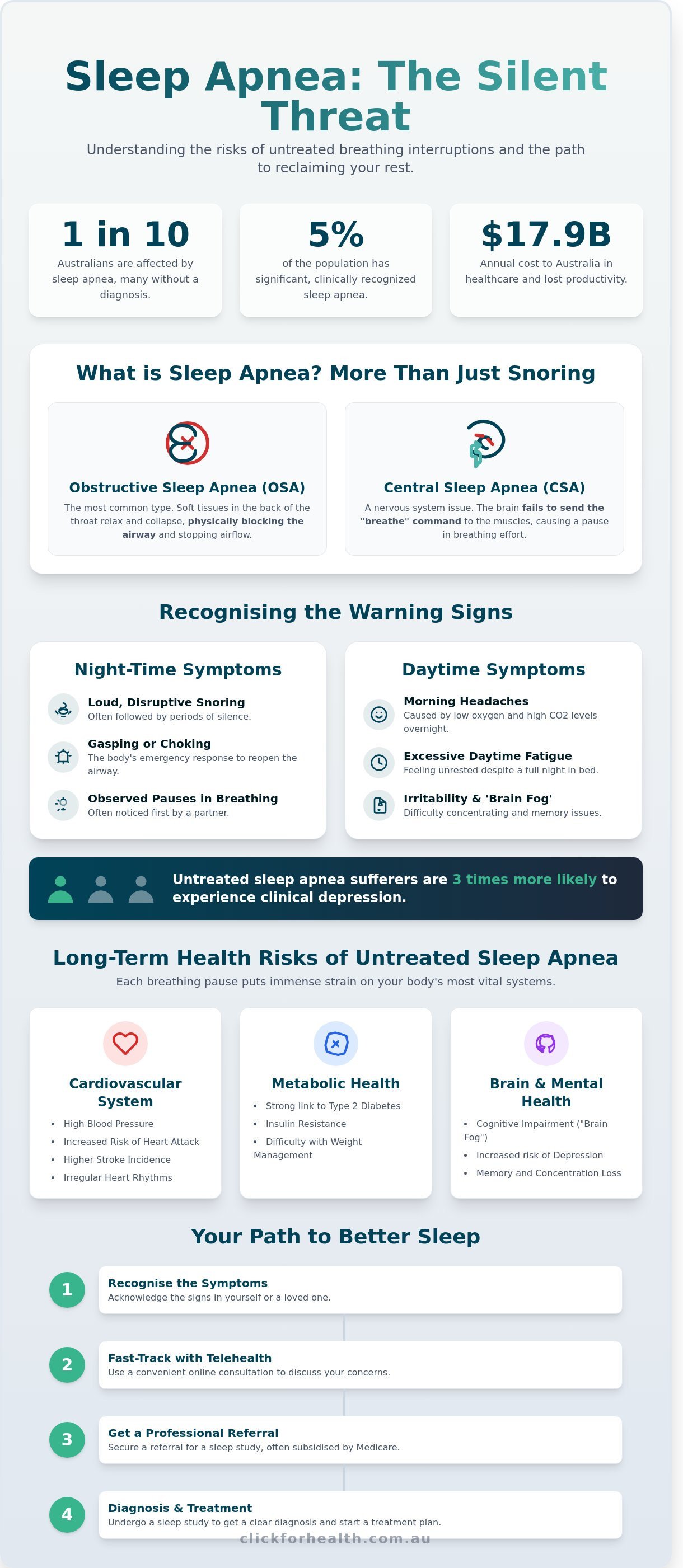
Imagine waking up after eight hours of rest feeling like you haven’t slept a wink. This is the daily reality for thousands of Australians living with a silent night-time crisis. Sleep apnea is a potentially serious disorder where your breathing repeatedly stops and starts throughout the night. It’s not just a minor annoyance for your partner; it’s a systemic health issue that affects your heart, brain, and metabolic function. In 2017, a report by Deloitte Access Economics found that sleep disorders cost Australia A$17.9 billion in direct health costs and lost productivity, highlighting the massive scale of this hidden epidemic.
The mechanics of this condition depend on why the air isn’t moving. Most often, the muscles in the back of your throat relax too much to support your airway. When these tissues collapse, they create a physical seal that prevents oxygen from reaching your lungs. In other cases, the respiratory control centre in your brain fails to transmit the correct signals to your breathing muscles. Regardless of the cause, the result is the same: your body enters a state of mild suffocation. Your brain, sensing the drop in oxygen, must briefly jar you out of sleep to reopen the airway.
The Sleep Health Foundation estimates that roughly 5% of the Australian population has significant sleep apnea. However, the true number is likely much higher. Because the symptoms occur while you’re asleep, many people dismiss their daytime fatigue as “just getting older” or “work stress.” In reality, they’re experiencing dozens of respiratory emergencies every single hour. Understanding the clinical foundations of What is Sleep Apnea provides a clear picture of why this isn’t a condition you should ignore.
The Three Primary Types of Sleep Apnea
Obstructive Sleep Apnea (OSA) remains the most common diagnosis in Australian clinics, occurring when soft tissue physically blocks the upper airway. Central Sleep Apnea (CSA) differs because it’s a nervous system failure; the brain doesn’t send the “breathe” command. Mixed Sleep Apnea, often called Complex Sleep Apnea, is a hybrid of both. It usually becomes apparent when physical blockages are cleared, but the patient continues to experience neurological breathing pauses during their sleep study.
Why It Is More Than ‘Just Snoring’
While snoring is a common symptom, it’s the silence that’s dangerous. Benign snoring is a steady rhythm; apnea is marked by sudden silences followed by choking or gasping sounds. These events trigger micro-arousals that last between 3 and 15 seconds. You won’t remember waking up, but these interruptions shatter your sleep architecture. This prevents the deep, restorative sleep necessary for cognitive function and physical repair, leaving you chronically fatigued and increasing your risk of long-term cardiovascular damage.
We see many patients who have lived with these symptoms for a decade before seeking help. Taking that first step toward a diagnosis is life-changing. It’s the key to reclaiming your energy and protecting your vital organs from the stress of oxygen deprivation. By addressing the root cause of your poor sleep, you aren’t just stopping the snoring; you’re investing in your long-term wellness and active lifestyle.
Recognising the Signs: Could You Have Sleep Apnea?
Living with untreated sleep apnea feels like running a marathon every night while you’re supposed to be resting. It’s a silent thief of vitality that affects approximately 1 in 10 Australians. While loud, persistent snoring is the most famous calling card, it’s only one piece of a complex puzzle. You might wake up with a dull, throbbing headache that lingers for an hour, or feel a strange sense of irritability that strains your relationships at home. These aren’t just signs of a “bad night”; they’re signals from your body that your airway is collapsing and your blood oxygen levels are dropping.
The psychological toll is often what brings people to a clinic first. Chronic sleep fragmentation leads to significant “brain fog,” a state of cognitive clouding where simple tasks feel overwhelming. Research indicates that people with untreated sleep apnea are 3 times more likely to experience clinical depression compared to healthy sleepers. If you find yourself snapping at colleagues or struggling to remember basic appointments, your sleep quality might be the culprit. If these symptoms feel familiar, exploring a personalised health assessment can help you regain your energy and focus.
Bed partners usually spot the danger before the patient does. They often describe a terrifying pattern where the snoring stops suddenly, followed by a period of silence that can last 10 to 30 seconds. This is usually ended by a violent gasp or snort as the brain forces the body to breathe. This "witnessed apnea" is a primary clinical indicator used by doctors. Partners also report that the person becomes restless, tossing and turning as they subconsciously struggle for air throughout the night.
Red Flag Checklist: When to Seek Immediate Consultation
You wake up choking or gasping for air in the middle of the night.
You’ve been told you stop breathing for several seconds while asleep.
You fall asleep involuntarily during meetings or while driving.
Your morning headaches occur more than 4 times a week.
You have high blood pressure that doesn’t respond well to medication.
Daytime vs. Night-Time Symptoms
Night-time signs often include insomnia or nocturia — the need to urinate multiple times during the night. You might also wake with a parched, dry mouth because you’ve been breathing through it to compensate for blocked nasal passages. During the day, the hallmark is hypersomnia: a state of nearly uncontrollable sleepiness during normal waking hours. This leads to a 15% reduction in workplace productivity and significantly increases the risk of workplace injuries.
How Symptoms Differ in Women and Men
Men are often considered the “textbook” cases, but women’s experiences are frequently overlooked. In fact, women are 3 times more likely to be misdiagnosed with anxiety or insomnia when the root cause is actually sleep apnea. Women might not snore loudly at all. Instead, they report restless legs, night sweats, or crushing fatigue that doesn’t improve with rest. Hormonal shifts play a massive role too. After menopause, a woman’s risk of developing the condition increases by 40% as oestrogen levels decline. Understanding these nuances is vital for how the condition is diagnosed in Australia today, ensuring everyone receives the specific care they need.
The Diagnostic Journey in Australia: From Referral to Results
Your journey to better sleep starts with a simple conversation. In Australia, the standard diagnostic pathway is designed to be thorough yet accessible, involving three clear steps: a GP consultation, a specialist referral, and the sleep study itself. During your initial visit, your doctor will likely use the Epworth Sleepiness Scale (ESS) to quantify your fatigue. This 8-item questionnaire asks you to rate the likelihood of dozing off during daily activities. A score of 10 or higher suggests significant daytime sleepiness that requires medical attention. This data is vital because Medicare uses these scores to determine your eligibility for subsidies.
If your ESS score is high and you also show signs of high risk on the OSA50 screening tool, Medicare often covers the cost of your diagnostic test — saving you upwards of A$600 in out-of-pocket expenses. The vast majority of diagnostic tests for sleep apnea are now performed in your own home. For a deeper look at the clinical guidelines, the Victorian Government information on sleep apnoea explains the necessity of professional medical oversight.
Home Sleep Studies vs. In-Lab Polysomnography
Home sleep tests, known as Level 2 studies, are remarkably sophisticated. The kit you take home includes sensors for your chest and abdomen to track breathing effort, a pulse oximeter for oxygen levels, and a nasal cannula to monitor airflow. These devices are small and won’t prevent you from rolling over or getting comfortable. While Level 2 tests are excellent for detecting moderate to severe sleep apnea, some cases require more data. If your symptoms are complex or your doctor suspects other issues like restless leg syndrome, a Level 1 in-lab study might be recommended. These lab studies offer a higher degree of accuracy by tracking brain waves (EEG) and leg movements under the supervision of a technician.
The Necessity of a Specialist Referral
In Australia, you need a formal referral from a GP to see a sleep physician. This isn’t just paperwork; it’s a quality control measure. It ensures your results are reviewed by a board-certified respiratory or sleep physician who understands the nuances of your physiology. To make this easier, specialist referrals can now be initiated via telehealth platforms. This digital-first approach means you can bypass long waiting lists and start getting answers within 48 hours of your first inquiry.
By following this structured pathway, you ensure that every step of your diagnosis is backed by clinical expertise and financial support. The combination of Medicare rebates and the convenience of home testing has transformed how Australians manage their sleep health. You're no longer required to navigate a complex hospital system alone; instead, you have a team of professionals guiding you toward a quieter, more restful night.
Long-Term Health Risks of Untreated Sleep Apnea
Ignoring the gasps and silences of your nightly rest does more than just leave you tired; it places a massive strain on your internal organs. When your breathing stops, your blood oxygen levels plummet, forcing your heart to work overtime to circulate what little oxygen remains. This repetitive stress leads to chronic hypertension, or high blood pressure, which persists even during your waking hours. Research indicates that roughly 30% of Australian men and 18% of women live with some form of this condition. Untreated obstructive sleep apnea can increase the risk of cardiovascular mortality by up to three times compared to healthy sleepers. This isn't just a statistic; it's a call to protect your heart from avoidable damage.
The strain doesn't end with blood pressure. Long-term sufferers face a significantly higher risk of stroke and atrial fibrillation (AFib), a quivering or irregular heartbeat that can lead to blood clots. The physical pressure changes in your chest cavity during a struggle to breathe can actually stretch the heart's chambers over time. This structural change makes the heart's electrical system misfire. If you've noticed your heart racing or skipping beats after a poor night's sleep, your body is sending a clear warning signal that shouldn't be overlooked.
Fatigue carries a hidden, often fatal danger on Australian roads. Data from the Sleep Health Foundation suggests that drivers with untreated sleep apnea are 2.5 times more likely to be involved in a motor vehicle accident than those who sleep soundly. Microsleeps behind the wheel happen in a fraction of a second, often without the driver even realising they've lost consciousness. This risk extends to the workplace, particularly for those operating heavy machinery or working in high-stakes environments where split-second decisions are vital.
Metabolic and Mental Health Complications
Sleep deprivation wreaks havoc on your hormones, specifically those that regulate hunger and fullness. This often leads to rapid weight gain and metabolic syndrome, creating a frustrating cycle where weight gain worsens the sleep apnea, which in turn makes losing weight harder. About 50% of people diagnosed with Type 2 diabetes also suffer from disordered breathing at night because oxygen deprivation causes cells to become resistant to insulin. Beyond the physical, the mental toll is heavy. Chronic fragmentation of sleep is linked to a 40% increase in the risk of clinical depression and accelerated cognitive decline, affecting your memory and focus at work.
Management and Lifestyle Interventions
The “Gold Standard” for reclaiming your health is Continuous Positive Airway Pressure (CPAP) therapy. A CPAP machine delivers a gentle stream of air through a mask to keep your airways open while you sleep. A quality setup in Australia typically costs between A$1,200 and A$2,500. For those with milder cases, a mandibular advancement splint, custom-fitted by a dentist, can shift the jaw forward to keep the throat clear. Lifestyle changes also play a massive role in your recovery journey:
Weight Management: Reducing body mass by even 10% can significantly decrease the number of apnoea events per hour.
Sleep Positioning: Utilising “side-sleeping” pillows prevents the tongue from collapsing into the airway.
Alcohol Avoidance: Skipping drinks at least 4 hours before bed prevents throat muscles from over-relaxing.
We're here to help you move from exhaustion to energy with a plan tailored to your specific needs. You don't have to face these health risks alone. Take control of your future and book a comprehensive sleep assessment with our expert team today.
Starting Your Recovery: Telehealth and Online Referrals
Identifying the symptoms of sleep apnea is the first step toward reclaiming your energy and long-term health. Many Australians hesitate to seek help because the traditional medical path feels cumbersome. Booking a physical GP appointment, taking time off work, and sitting in a crowded waiting room creates unnecessary friction. Telehealth removes these barriers by bringing the clinic to your living room. It’s a modern, empathetic way to start your healing journey without the stress of logistics.
Click for Health acts as your direct bridge between noticing symptoms and receiving professional care. Instead of waiting weeks for a local clinic opening, you can secure a specialist referral quickly. This speed is vital because untreated sleep apnea is linked to a 30% increase in the risk of cardiovascular events. By choosing a digital consultation, you’re not just saving time; you’re prioritising your heart health and daily productivity.
The process is designed to be supportive and straightforward. During your video or phone call, an Australian-registered GP will review your sleep patterns and physical symptoms. They'll determine if a sleep study or a specialist consultation is the right next step for you. This professional guidance provides the peace of mind you need to move forward with confidence, knowing you're no longer managing these symptoms alone.
The Benefits of Digital Healthcare for Sleep Concerns
You deserve a healthcare experience that respects your time and comfort. Digital healthcare offers total privacy; there's no risk of running into a neighbor in a waiting room while seeking help for sensitive issues like heavy snoring or fatigue. You'll consult with GPs who understand the Australian healthcare landscape and can provide valid referrals for sleep studies or specialists across the country. This streamlined approach ensures you don't lose momentum in your recovery. Efficiency is a major factor here. A typical physical GP visit in Australia takes 60 to 90 minutes when you include travel and wait times. A digital consultation reduces this to the actual time spent with the doctor, allowing you to fit your health into your life, not the other way around.
Next Steps: Book Your Telehealth Consultation
Don’t ignore the signs your body is sending you. Research suggests that up to 80% of moderate to severe cases of sleep disorders remain undiagnosed in Australia. To prepare for your appointment, follow these simple steps:
List your symptoms: Note how often you wake up feeling unrefreshed or if a partner has mentioned your snoring.
Check your medications: Have a list of any current prescriptions or supplements ready to share.
Note your history: Be ready to discuss any family history of respiratory issues or high blood pressure.
Check your tech: Ensure your phone or computer has a stable internet connection and a working camera or microphone.
Taking these small steps leads to a more productive conversation with your doctor. Our team is here to support you through every click, ensuring you feel heard and cared for. We believe that professional healthcare should be accessible to everyone, regardless of their postcode or schedule. Your journey to better sleep is just a few clicks away, and the relief of having a plan in place is worth the effort.
Final CTA: Book your telehealth consultation for a specialist referral today .
Your Path to Restorative Sleep and Vitality
Ignoring the warning signs of sleep apnea does more than just disrupt your partner’s rest; it puts your long-term cardiovascular health at serious risk. Clinical studies indicate that people with untreated moderate to severe sleep disorders are 3 times more likely to experience heart complications. Our Australian-registered practitioners offer national telehealth coverage, providing you with immediate access to professional specialist referrals and pathology requests from your own home. We’ve designed our service to be a supportive partner in your health, removing the cold, clinical barriers often found in traditional settings. Better sleep is the foundation of a healthy life, and we’re here to help you build it.
Take the first step toward better sleep: book an online consultation today.
You're only one click away from the support you deserve, and we're ready to help you wake up feeling truly refreshed.
Frequently Asked Questions
Is sleep apnea a life-threatening condition?
Sleep apnea is potentially life-threatening because it places immense strain on your heart and oxygen levels. Research from the Sleep Health Foundation indicates that untreated moderate to severe cases increase your risk of stroke by 3 times. It’s not just about feeling tired. Chronic oxygen deprivation triggers systemic inflammation that damages your blood vessels. We’re here to help you navigate these risks with a plan that focuses on your long-term vitality and safety.
Can I get a referral for a sleep study online in Australia?
You can absolutely get a referral for a sleep study online through Australian telehealth providers. Since the 2020 Medicare expansion, digital consultations have become a standard way to access specialist care. You’ll chat with a GP via video to discuss your symptoms like loud snoring or gasping. If you meet the Medicare criteria, they’ll issue an electronic referral. This modern approach makes starting your journey toward better rest fast and stress-free.
What is the difference between snoring and sleep apnea?
Snoring is simply the vibration of tissues, while sleep apnea involves your airway actually closing during sleep. While 40% of Australian adults snore, those with apnea stop breathing for 10 seconds or longer, multiple times an hour. These pauses drop your blood oxygen levels and force your brain to wake you up. We’ll help you distinguish between a harmless habit and a medical condition that requires professional support and a personalised treatment plan.
How much does a sleep study cost with Medicare?
A home sleep study can cost A$0 if your GP bulk-bills the service under Medicare. Under MBS items 12203 or 12250, eligible patients receive full coverage for diagnostic tests. If you choose a private clinic without bulk-billing, you might pay between A$150 and A$600 out of pocket. We always recommend checking your eligibility first to ensure your path to recovery is as affordable and accessible as possible.
Can weight loss cure obstructive sleep apnea?
Weight loss can significantly reduce the severity of obstructive sleep apnea and, in some cases, eliminate the need for machines. Clinical data shows that losing just 10% of your body weight can lead to a 20% improvement in your breathing stability. While it’s not a guaranteed cure for everyone due to individual anatomy, it’s a powerful tool. We focus on a holistic approach to help you regain an active, healthy lifestyle.
What happens if I leave my sleep apnea untreated?
Ignoring sleep apnea leads to a higher risk of heart disease, type 2 diabetes, and dangerous daytime exhaustion. Statistics show that people with untreated sleep disorders are 2.5 times more likely to experience a car accident. Your body never gets the deep, restorative rest it needs to function. Over time, this constant stress on your system wears you down. Taking action now protects your future health and your daily safety.
Do I need to see a doctor in person to get a CPAP machine?
You don’t need to visit a clinic in person to purchase a CPAP machine in Australia. Most reputable suppliers accept digital prescriptions from a telehealth GP or sleep specialist. Once you have your results from a home sleep test, you can order your equipment online. This digital approach ensures you get the support you need without the cold, clinical feel of a traditional hospital setting. It’s about your comfort and convenience.
Are there any natural remedies for sleep apnea?
Natural remedies like side-sleeping and avoiding alcohol can help, but they rarely replace medical treatment for moderate cases. Using a sleep bumper to stay off your back can reduce your breathing interruption index by 50% if you have positional apnea. Quitting smoking also reduces airway inflammation. While these steps are great for your overall wellbeing, we suggest combining them with professional guidance to ensure you’re getting the most effective care for your unique needs.