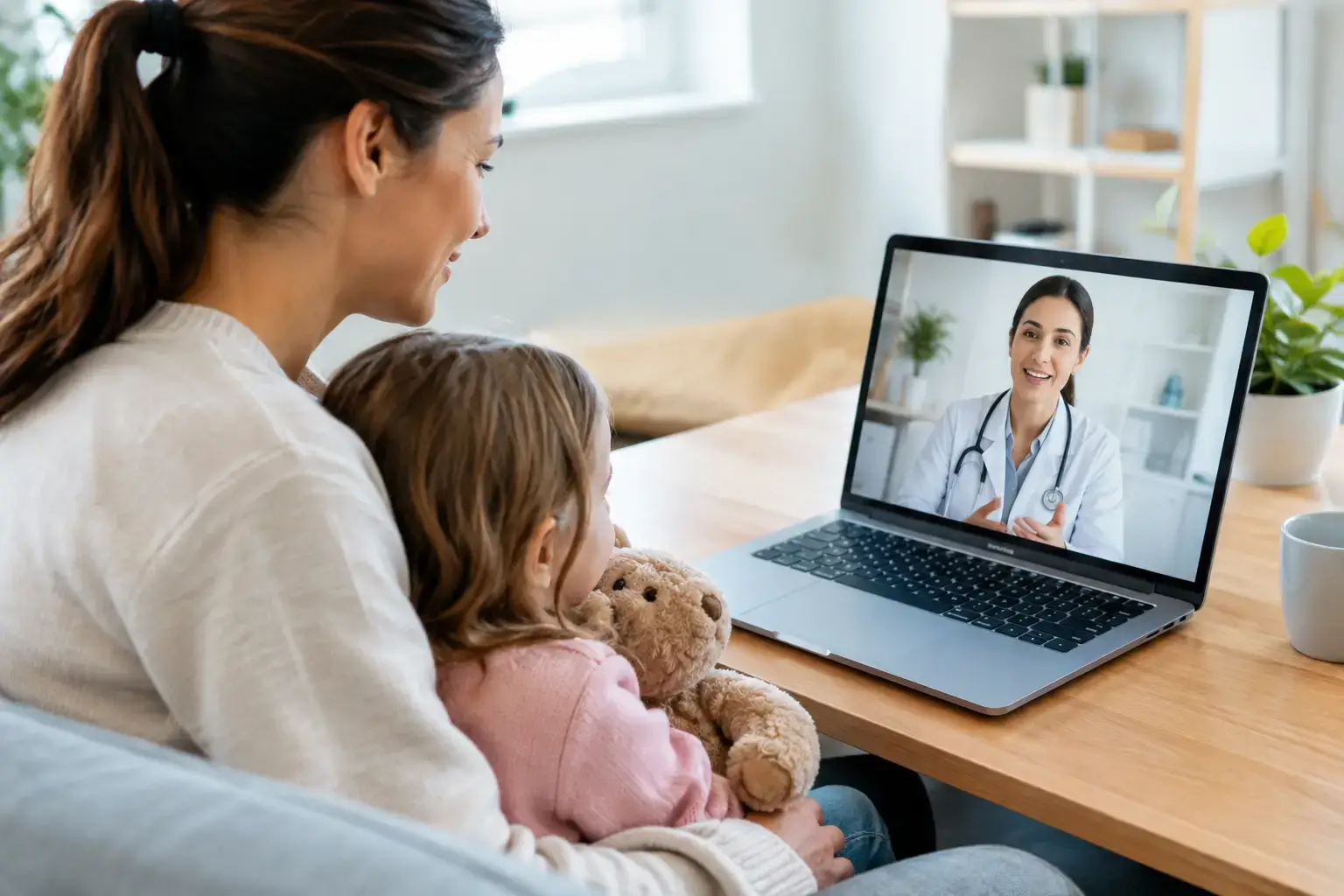
The best telehealth options for parents do more than save a trip to the clinic. They make it easier to get practical medical help between school drop-off, work calls, naps and the inevitable 2 am worry about a fever. For many everyday health needs, an online GP consultation can mean speaking with an Australian-registered doctor from home, work or wherever you are.
The right option depends on who needs care, how urgent the concern is and whether an in-person examination is likely to be needed. Telehealth is not a replacement for emergency care, but it can be a quick, private and reliable way to organise advice, scripts, certificates and referrals when life is already full.
What parents should look for in a telehealth service
Convenience matters, but it should not come at the expense of clinical standards. Start by checking that the service connects you with AHPRA-registered Australian doctors. This gives you confidence that the clinician is properly qualified to assess your concerns, provide medical advice and decide whether telehealth is appropriate.
Availability is another major consideration. Children do not stick to business hours, and neither do the health needs of parents. A service with appointments available outside the usual clinic schedule can be especially useful for a new rash after dinner, a repeat prescription that has run out on a weekend, or a medical certificate needed before the morning starts.
It should also be easy to understand what happens next. A clear booking process, upfront pricing and secure consultation system reduce the stress of arranging care. If a doctor decides you need a prescription, pathology request, specialist referral or follow-up with a local GP, you should know how that documentation will be issued and what to do after the consultation.
Privacy is particularly important when you are discussing sensitive matters such as mental health, contraception, sexual health, weight management or a child’s medical history. Choose a provider that treats confidentiality as a core part of care, not an afterthought.
Best telehealth options for parents: match care to the need
There is no single best service for every situation. The most useful telehealth option is the one that suits the health concern and gives you a safe next step.
Online GP consultations for common illnesses
An online GP appointment can be a sensible starting point for many routine concerns affecting parents or older children. This may include colds and flu symptoms, allergies, migraines, minor skin concerns, urinary tract infection symptoms, conjunctivitis, gastro symptoms, pain, or questions about a medication.
The doctor will ask about symptoms, duration, medical history and any warning signs. They may ask you to describe what you can see, check a temperature or discuss photos where the platform allows it. If the issue can be managed remotely, they can provide advice or treatment. If not, they can direct you to an in-person GP, urgent care clinic or hospital.
For young children, telehealth suitability depends on the symptoms and the child’s age. A video or phone consultation may still be useful for initial guidance, but a doctor may recommend a physical examination sooner than they would for an adult. That is good clinical care, not an inconvenience.
Repeat scripts and medication advice
Parents often put their own health tasks last. It is easy to notice an empty repeat script only when the medicine cupboard is already bare. Telehealth can help eligible patients request a new or repeat prescription for ongoing treatment, provided the doctor considers it clinically appropriate.
This can be useful for managing conditions such as asthma, allergies, diabetes, high blood pressure, migraines and other common chronic health needs. It may also help with medication questions, side effects or a discussion about whether a treatment still suits you.
Keep in mind that prescriptions are never automatic. The doctor needs to assess your circumstances, and some medicines or situations require an in-person review. Have your medication name, dose, pharmacy details and relevant history ready so the consultation can stay focused.
Medical certificates when a family illness changes the day
A sick child can quickly mean a missed shift, cancelled study session or changed workday. When you are unwell yourself, getting to a clinic simply to organise a medical certificate can add pressure.
A telehealth doctor may be able to assess your situation and issue a medical certificate where clinically appropriate. This can be helpful for routine short-term illnesses, particularly when you need to notify an employer, education provider or other organisation promptly. Be honest about symptoms and dates, and check what your workplace or school requires.
Referrals and pathology requests
Some health questions need more investigation, not guesswork. Telehealth can be a convenient first step to discuss symptoms that may require blood tests, other pathology, imaging or specialist input.
For example, a parent dealing with ongoing fatigue, persistent headaches, changing menstrual symptoms, hair loss, high blood pressure concerns or weight-management needs may benefit from a GP assessment and a clear plan. Depending on the consultation, the doctor may provide a pathology referral, specialist referral or advice to attend a local clinic for an examination.
This is where telehealth works well alongside face-to-face care. It can reduce delays in starting the process, while still recognising when hands-on assessment is necessary.
When telehealth is not the right option
Parents are often good at noticing when something is not right. Trust that instinct, especially where a child is concerned. Telehealth should not be used for an emergency or a potentially life-threatening situation.
Call 000 or seek urgent in-person care for severe breathing difficulty, chest pain, signs of stroke, seizures, serious injury, heavy bleeding, severe allergic reaction, loss of consciousness, poisoning, or thoughts of self-harm. Babies with concerning symptoms, children who are very drowsy or difficult to wake, and anyone who is rapidly getting worse should be assessed urgently.
A telehealth doctor may also advise an in-person appointment where they need to listen to the chest, examine an ear, feel an abdomen, check vital signs or assess a wound properly. That referral is part of a safe consultation. The value of telehealth is not that it handles everything remotely. It is that it helps you get the right care without unnecessary delay.
How to make a telehealth appointment easier
A little preparation can make a short consultation more useful. Before the appointment, write down the main concern, when symptoms started, any changes you have noticed and what you have already tried. Have a list of current medicines, allergies and relevant medical conditions nearby.
For a child’s appointment, take their temperature if possible and note how much they are drinking, eating, sleeping and urinating. If there is a rash, keep track of when it appeared and whether it is spreading. It can also help to have another adult nearby if you need to keep a young child settled while you speak.
Choose a quiet, private space with reliable internet or mobile reception. Be ready to answer follow-up questions clearly. The more accurate the information, the easier it is for the doctor to decide whether remote treatment is appropriate or whether you need to be seen in person.
A practical choice for busy families
The best telehealth service for parents is one that feels straightforward when you need it most: qualified doctors, secure consultations, clear pricing and appointments that fit around real family schedules. It should help with everyday GP needs without making you jump through hoops.
Click For Health offers access to Australian-registered doctors around the clock for a range of routine health concerns, including consultations, eligible prescriptions, medical certificates, referrals and pathology requests. It is designed for those moments when getting to a clinic is difficult, but getting medical advice should not be.
You do not need to wait until your schedule is completely clear to look after your health. When a concern is non-emergency and suitable for telehealth, booking a doctor from where you are can be one less thing for a parent to carry.