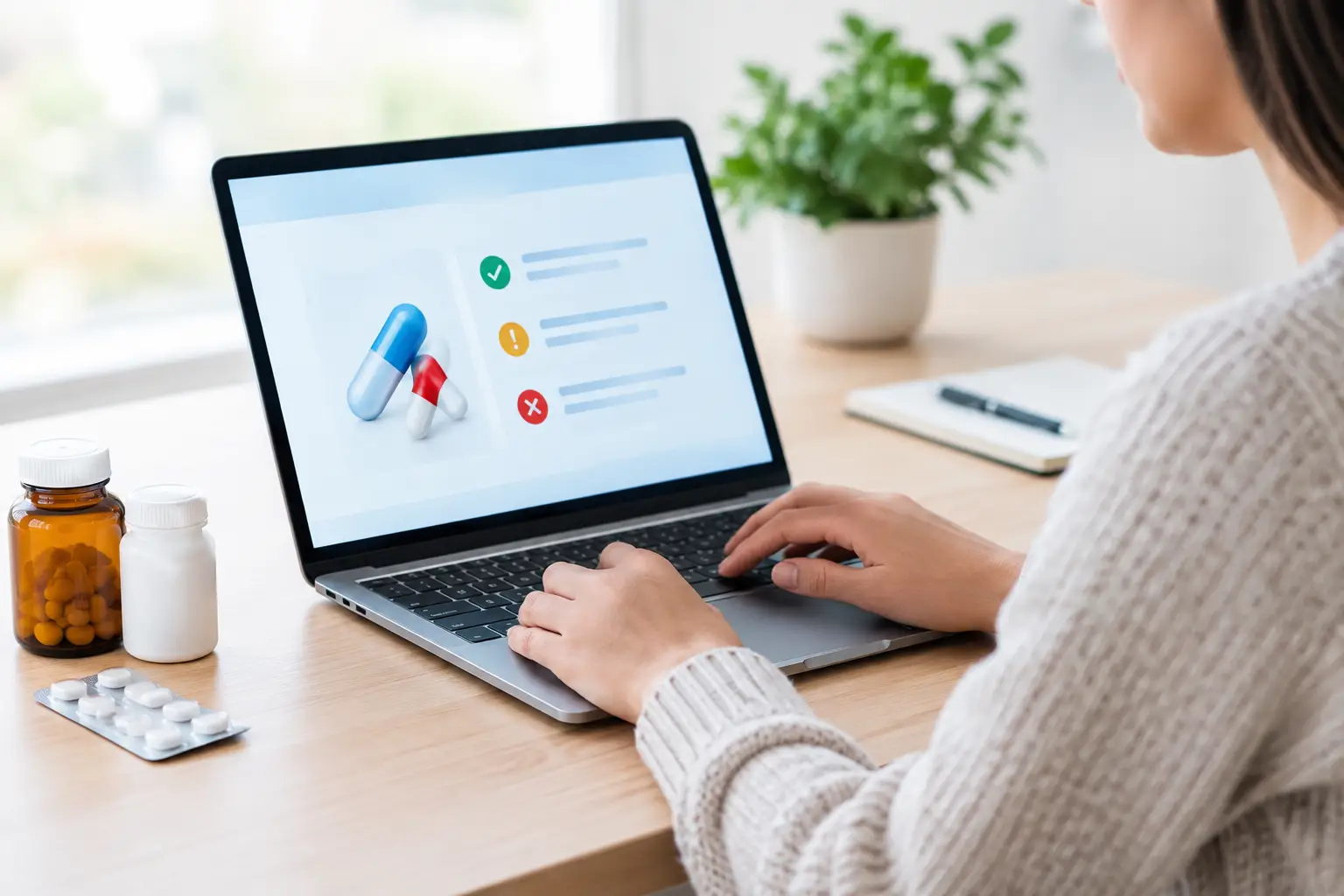
A sore throat before a workday, a repeat script that has run out, or a medical certificate needed before school pick-up should not always mean sitting in a waiting room. A bulk billed telehealth GP appointment can make routine care simpler when you are eligible and your health concern is suitable for an online consultation.
Telehealth gives you the chance to speak with an Australian-registered doctor by phone or video from home, work or wherever you have privacy. It is a practical option for many everyday health needs, but it is not the right answer for every symptom. Knowing what to expect helps you book with confidence and get the most from your appointment.
What does bulk billed telehealth mean?
Bulk billing means the doctor accepts the Medicare benefit as full payment for an eligible consultation. Rather than paying a fee and then claiming a rebate, Medicare is billed directly for the service. If your appointment is bulk billed, there is generally no out-of-pocket cost for that consultation.
Eligibility is not automatic for every person, provider or appointment type. It can depend on your Medicare eligibility, the reason for your consultation, current Medicare rules and the provider's billing policy. Some services may have an upfront fee, while others may be available for bulk billing. Always check the appointment details before booking so the cost is clear.
A bulk billed appointment should still involve proper medical care. Your doctor will ask questions, consider your history and decide what is clinically appropriate. Bulk billing is about how an eligible consultation is paid for. It does not change the standard of care or mean a doctor can issue a prescription, certificate or referral without an assessment.
When a bulk billed telehealth GP may suit you
Telehealth is often a good fit when you need advice for a common, non-urgent issue and do not need a hands-on examination straight away. It can save time for people managing work, study, family responsibilities, limited mobility or distance from a local clinic.
A doctor may be able to help with cold and flu symptoms, allergies, migraines, uncomplicated urinary symptoms, skin concerns, sexual health questions, contraception, hair loss, pain management and general medical advice. Telehealth can also be useful for discussing ongoing conditions such as diabetes or high blood pressure, particularly when you need to review a treatment plan, organise pathology or talk through recent results.
Many people book online for practical follow-up care. This may include requesting a repeat prescription, discussing a new prescription, asking for a medical certificate, arranging a specialist referral or getting a pathology or blood-test referral. Each request is assessed by the doctor during the consultation. If more information, testing or an in-person review is needed, the doctor can explain the next step.
For regional patients, parents with unwell children at home and professionals who cannot easily leave the office, that flexibility can be the difference between seeking care early and putting it off. A telehealth appointment is also a more private way to discuss sensitive matters when you have a quiet place to talk.
When an online appointment is not enough
Convenience should never come before safety. A telehealth GP cannot physically examine you, take observations in the same way as a clinic or provide urgent treatment. Some conditions need an in-person assessment, and a doctor may advise you to attend a GP clinic, urgent care service or hospital.
Seek urgent help rather than booking a routine telehealth consultation if you have chest pain, severe trouble breathing, signs of stroke, heavy bleeding, a severe allergic reaction, loss of consciousness or thoughts of harming yourself or someone else. In an emergency, call 000.
It also makes sense to see a doctor in person when you have a significant injury, severe abdominal pain, a high fever that is not improving, a wound that may need treatment, or symptoms that require a physical examination. Telehealth remains useful because a doctor can help you judge the right level of care, but it cannot replace every type of appointment.
How to prepare for your telehealth consultation
A little preparation keeps your appointment focused and helps the doctor make a safe decision. Book a time when you can speak without interruptions and use a private space where you feel comfortable discussing your health.
Before the consultation, have your Medicare card and any relevant details ready. This might include a list of current medicines, allergies, recent test results, your usual pharmacy, and notes about when your symptoms started or changed. If you are discussing a skin issue, you may be asked to use video or provide clear images through the provider's secure process.
Be direct about what you need help with. Explain your symptoms, how long they have been happening, what makes them better or worse, and whether you have tried any treatment. Mention relevant medical conditions and pregnancy where applicable. Clear information helps your doctor decide whether telehealth is appropriate and whether you need a script, referral, test, certificate or in-person review.
If a prescription is clinically appropriate, the doctor can arrange it electronically. If you need a medical certificate or referral, ask during the consultation rather than after it ends. Doctors can only provide documents that are medically appropriate based on their assessment.
Choosing a telehealth service with confidence
Online healthcare should feel simple, not uncertain. Look for a service that clearly explains its fees and bulk-billing options before you book. You should also be able to confirm that the doctors are registered with AHPRA and that your consultation is handled through secure, confidential systems.
Availability matters too. Health issues do not always appear during standard clinic hours, and access to doctors around the clock can be valuable for non-emergency concerns that need timely advice. At the same time, a trustworthy provider will be clear about telehealth limits and direct you to in-person or urgent care when needed.
Click For Health connects patients with Australian-registered doctors for private online consultations, with straightforward booking for everyday GP needs. The goal is no fuss access to care, while keeping clinical judgement and patient safety at the centre of every consultation.
A simpler way to keep care moving
A bulk billed telehealth GP appointment can remove the travel, waiting room and scheduling barriers that often delay routine care. Check your eligibility and appointment cost, choose a quiet place to talk, and be open with the doctor about your symptoms and needs. When telehealth is the right fit, getting professional medical advice can be quick, secure and all just a click away.