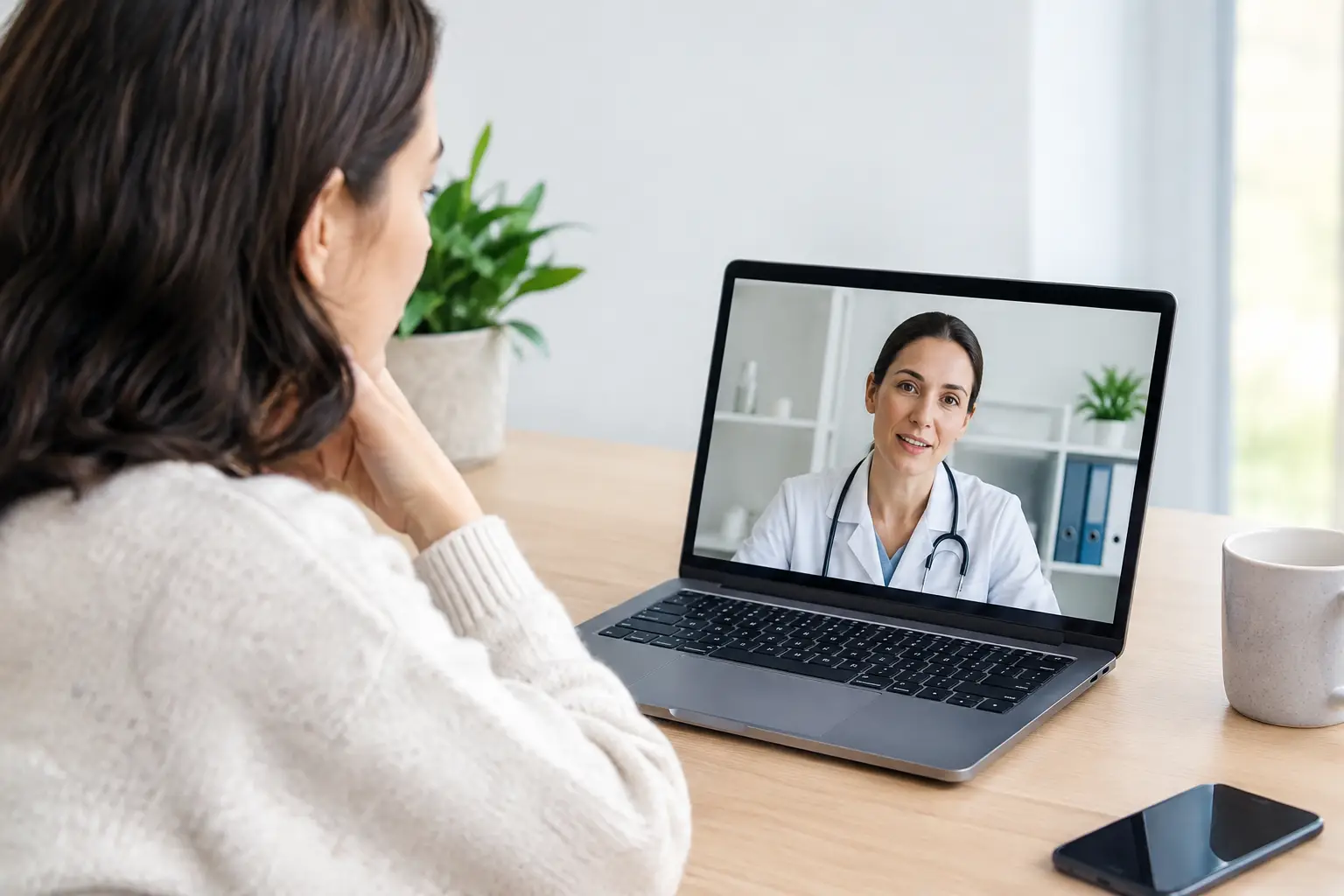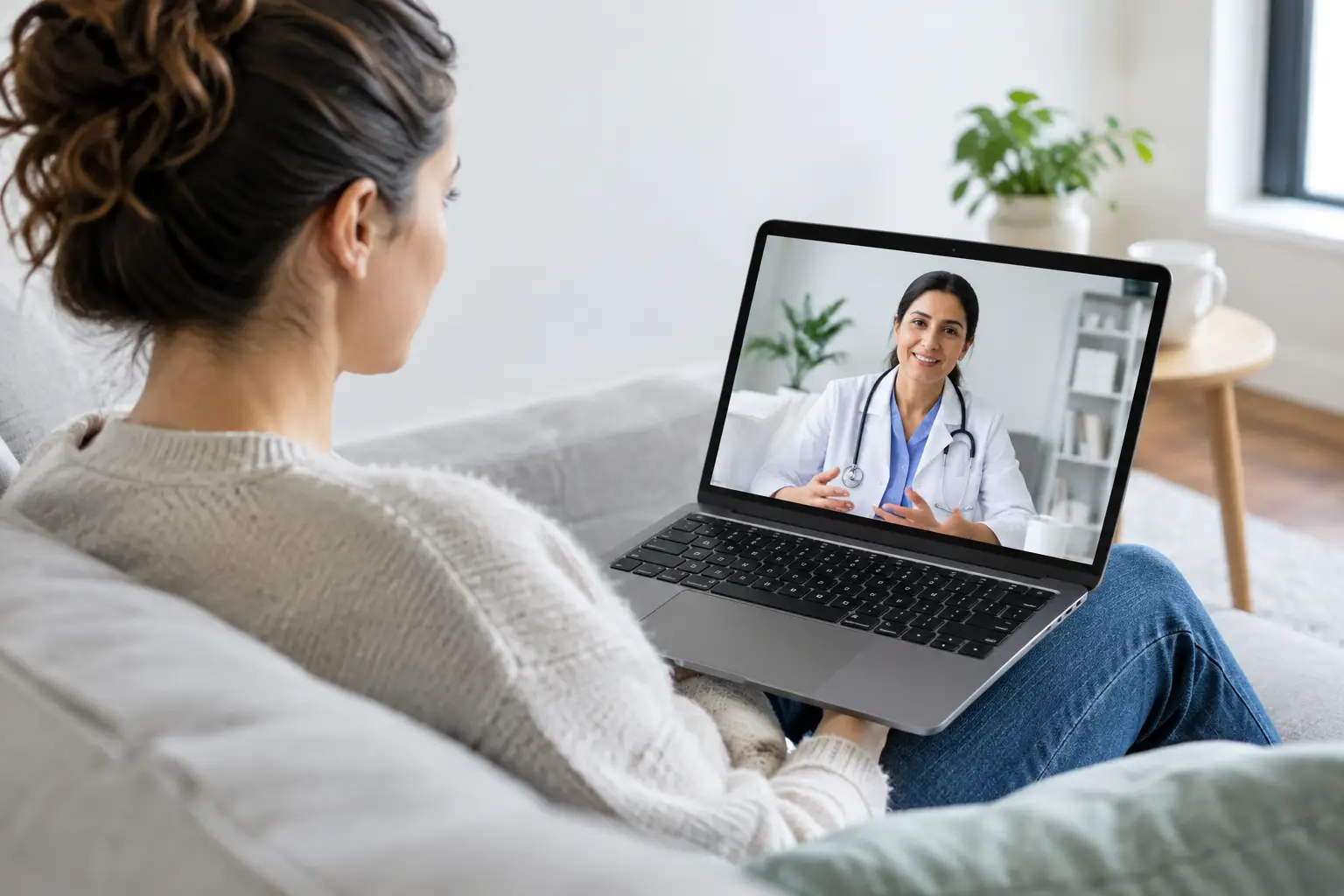
A video appointment can save a trip to the clinic, time away from work or the challenge of arranging care around family life. But video doctor safety still matters. You should expect the same professional standards, privacy and clinical care that you would receive in a face-to-face GP appointment.
For many routine concerns, telehealth is a quick and easy way to speak with a doctor. It can help with repeat prescriptions, medical certificates, referrals, common infections, allergies, contraception and ongoing management of many conditions. The key is choosing a legitimate service and knowing when an online consultation is the right option.
Video Doctor Safety Starts With the Doctor
The first check is simple: make sure you are consulting with an Australian-registered practitioner. Doctors providing care in Australia must be registered with AHPRA, the national regulator for health practitioners. A legitimate telehealth provider should be clear about this, rather than using vague claims about “qualified experts” without identifying the clinical standards behind the service.
Registration matters because it means the doctor is accountable to Australian professional requirements. They must practise within their competence, protect your confidentiality, keep appropriate clinical records and make decisions based on your individual circumstances.
A safe video consultation is not simply a quick transaction. The doctor should ask questions, consider your symptoms and medical history, discuss suitable treatment options and explain what to do next. If a prescription, certificate or referral is clinically appropriate, they can arrange it. If it is not appropriate, a responsible doctor may recommend another option instead.
That can occasionally feel less convenient than getting an automatic result. It is also a sign that the consultation is being handled properly. Good healthcare is based on clinical judgement, not promises that every patient will receive the same outcome.
Choose a Secure Telehealth Platform
Your health information is personal. A video doctor service should explain how it protects your privacy and uses your information. Before booking, look for clear information about confidentiality, secure systems and the provider’s privacy approach.
It is reasonable for a service to collect details such as your name, date of birth, contact information, Medicare details where relevant, symptoms, medical history and current medications. These details help the doctor identify you and provide safer care. Be cautious if a platform asks for information that does not appear relevant, or if it provides no explanation of how sensitive health information is stored and handled.
You can also take a few practical steps on your side. Join the consultation from a private place where others cannot overhear you. Use a trusted internet connection where possible, keep your mobile or computer updated and avoid sharing appointment links, verification codes or personal health documents with anyone else.
If you are at work, in a car or sharing a home, headphones can help protect your privacy. Just make sure you are parked safely if you are in a vehicle. A consultation needs your full attention, particularly when you are discussing symptoms, medications or follow-up care.
Know What Telehealth Can Treat Well
Video appointments work particularly well when the doctor can make a safe assessment through discussion, visual observation and your medical history. This may include a cold or flu, uncomplicated UTI symptoms, migraines, allergies, a skin concern that can be clearly viewed, repeat scripts, medical certificates or a request for a referral.
They can also support ongoing care for conditions such as diabetes or high blood pressure, where you can share recent readings, medication use and any changes in symptoms. For some concerns, the doctor may ask you to arrange a pathology test, monitor your symptoms or book a follow-up appointment.
However, telehealth has limits. A doctor cannot listen to your chest, feel your abdomen, check your blood pressure or perform a physical examination through a screen. Sometimes a video consultation is the right starting point, but an in-person assessment is needed to make a safe diagnosis or rule out a more serious cause.
This is not a failure of telehealth. It is good clinical care. A qualified doctor should tell you when you need to attend a GP clinic, pathology collection centre, urgent care service or hospital.
When not to wait for a video appointment
Telehealth is not appropriate for an emergency. Call Triple Zero (000) or seek urgent medical help if you have severe chest pain, trouble breathing, signs of stroke, heavy bleeding, a serious allergic reaction, a seizure, loss of consciousness or thoughts of harming yourself or another person.
You should also seek prompt in-person care for severe or rapidly worsening symptoms, significant injuries, sudden confusion, a high fever in a very unwell child, or anything that feels immediately serious. If you are unsure, it is safer to get urgent advice than wait.
Get Ready for a Better Consultation
A little preparation can make an online appointment safer and more useful. Write down when your symptoms started, what makes them better or worse, any treatments you have tried and whether they are changing. Have your current medications, allergies and relevant medical history nearby.
For repeat prescriptions, know the medicine name, dose and how often you take it. For an ongoing condition, recent home readings can be useful. This could include blood pressure results, blood glucose readings, temperature or weight, depending on why you are seeing the doctor.
Be open about details that may feel awkward, including pregnancy, sexual health, mental health, alcohol or other drug use, and medicines obtained elsewhere. Doctors are there to provide care, not judgement. Accurate information helps them give safer advice and avoid medication interactions or unsuitable treatment.
It also helps to make sure your camera, microphone and internet connection are working before the appointment. Good lighting can be useful if the doctor needs to look at a rash, eye irritation or another visible symptom. If the connection drops out, follow the provider’s instructions for reconnecting or waiting for contact by phone.
Ask Questions Before You Finish
A good consultation should leave you knowing what happens next. Before the call ends, ask when you should expect symptoms to improve, what warning signs mean you need urgent care and whether you need a follow-up appointment.
If you are prescribed medication, check how to take it, common side effects and whether it may interact with your other medicines. If you receive a referral or pathology request, confirm how it will be provided and what you need to do once you receive it.
Keep any consultation notes, certificates, prescriptions or referrals somewhere secure. If you develop new symptoms, do not assume they are unrelated to your earlier appointment. Contact a doctor again, especially if your condition is getting worse or is not improving as expected.
Watch for Red Flags in Online Healthcare
A professional telehealth provider makes it clear who is delivering your care, what the service costs and how your information is handled. Be wary of services that do not identify their practitioners, pressure you to pay through unusual methods or guarantee a prescription before a doctor has assessed you.
Other warning signs include no privacy information, no way to contact the provider for support, unclear fees, poor-quality communication, or advice that dismisses serious symptoms without asking appropriate questions. Healthcare should be clear, respectful and centred on your needs.
At Click For Health, patients can speak with Australian-registered doctors through a confidential online consultation process. The aim is simple: accessible care when it is appropriate, with a doctor who can guide you towards the right next step.
Video consultations are a practical part of everyday healthcare, not a substitute for emergency treatment or every physical examination. Choose a properly registered provider, share clear information and act on any advice to seek in-person care. That gives you the convenience of telehealth without compromising the care you deserve.