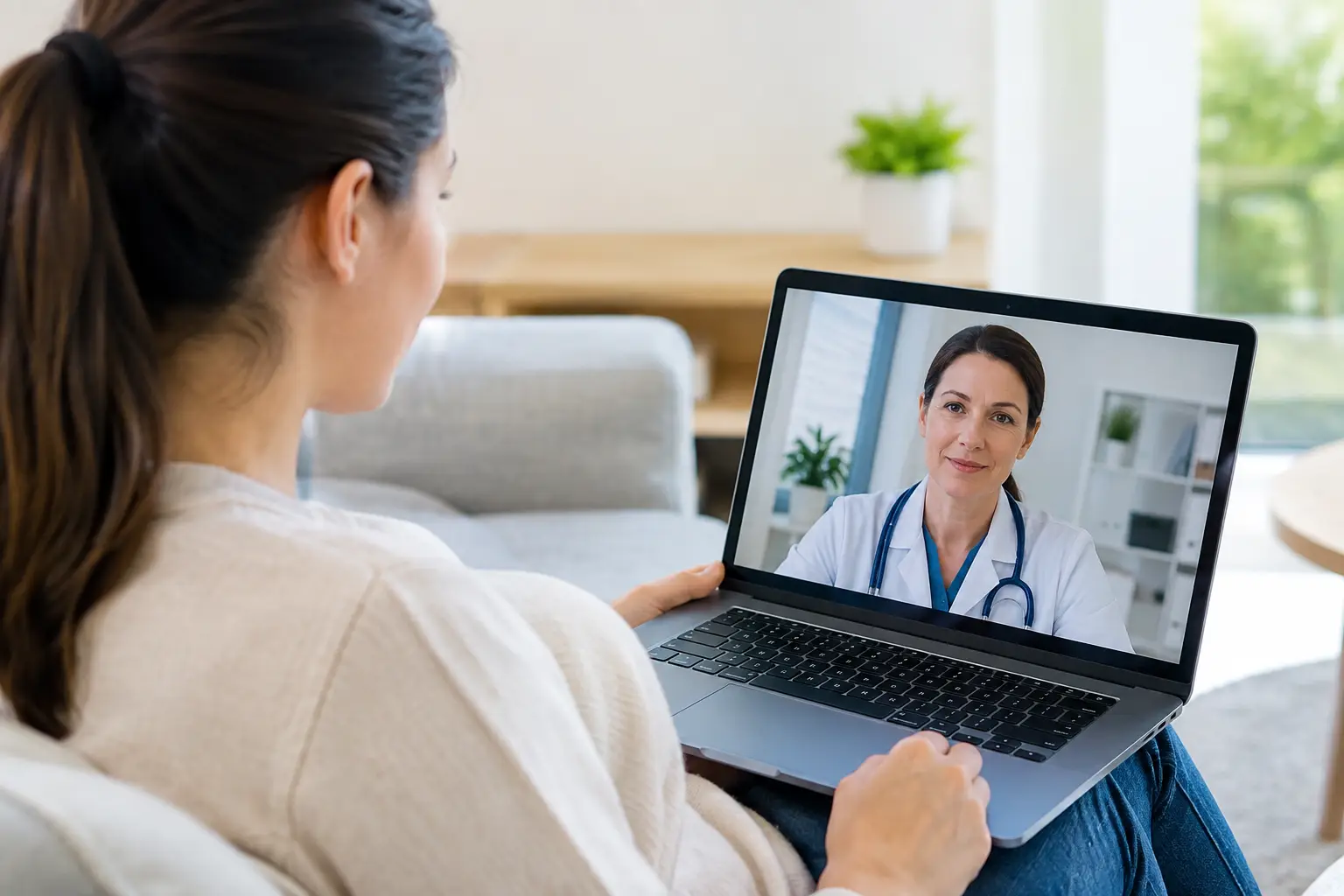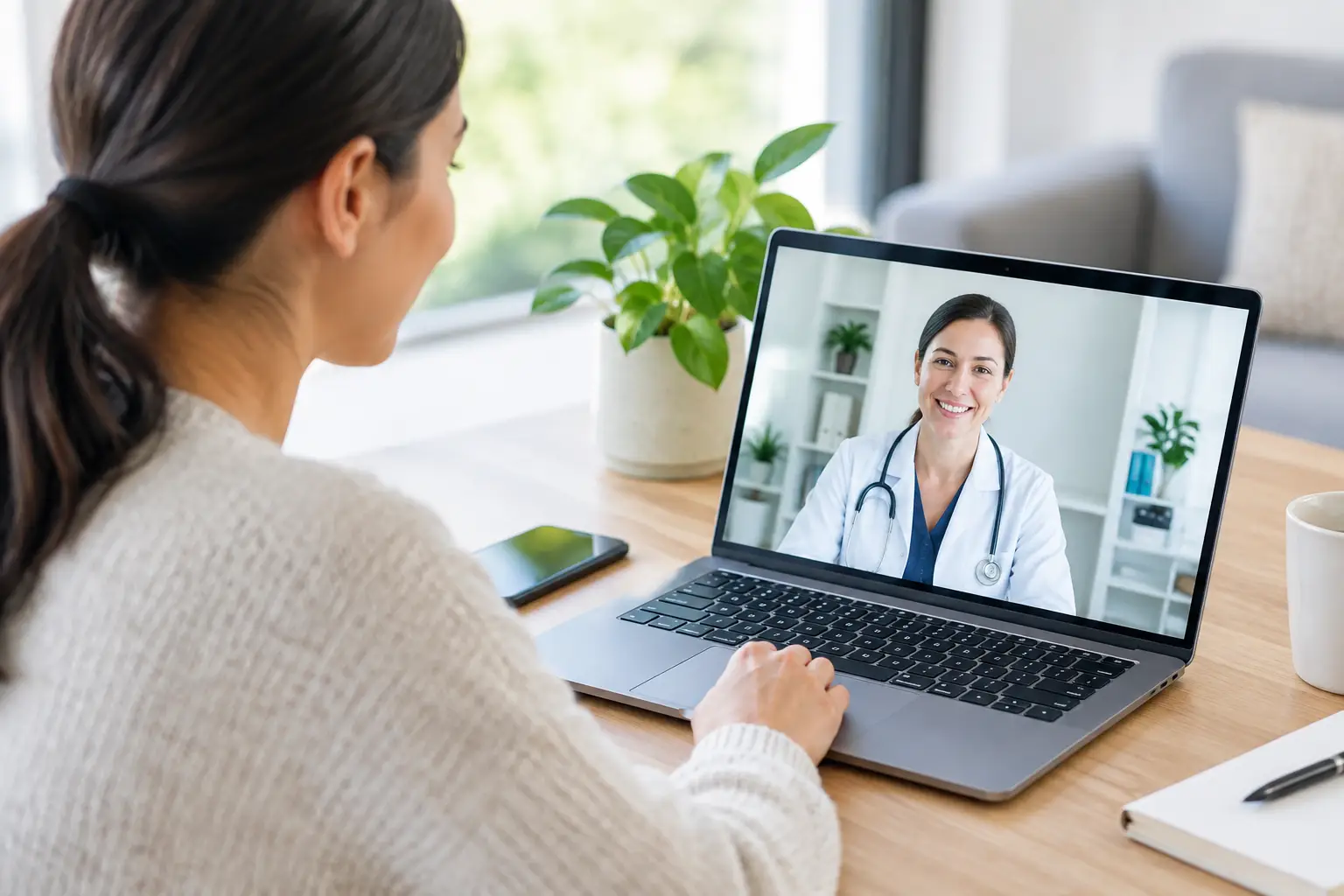
A sore throat before a work shift, a repeat script running low, or a UTI that starts on a Saturday night can quickly become hard to manage when getting to a clinic is not practical. Many common conditions treated online can be assessed by an Australian-registered GP through a secure telehealth consultation, helping you get advice, documentation, prescriptions or referrals without leaving home.
Telehealth is not a replacement for every type of medical care. It works best when your concern is non-emergency, your symptoms can be discussed clearly, and a doctor can safely assess the next step remotely. If you need a physical examination, tests, imaging or urgent treatment, the doctor may advise you to attend a clinic, pathology collection centre, emergency department or another local service.
When an online GP consultation can help
An online consultation is often useful for straightforward health concerns, ongoing conditions and preventative care. You can speak with a doctor from home, work or while travelling within Australia, which can be particularly helpful when appointments are limited, you live regionally, or illness makes travel inconvenient.
The consultation still follows a clinical process. Your doctor will ask about your symptoms, medical history, current medicines, allergies and any relevant test results. They may provide medical advice, issue a prescription where clinically appropriate, arrange a pathology referral, provide a medical certificate or refer you to a specialist.
Whether telehealth is suitable depends on the individual situation. A doctor may need to see you in person before making a diagnosis or prescribing certain medicines. That is not a setback - it is part of safe, patient-first care.
Common conditions treated online
Cold, flu and respiratory symptoms
Coughs, colds, sore throats, sinus symptoms and mild flu-like illnesses are frequent reasons to speak with an online GP. A doctor can discuss symptom relief, help you understand what to monitor, and advise when testing, rest, a medical certificate or an in-person review may be needed.
However, breathing difficulty, chest pain, blue lips, confusion, severe weakness or rapidly worsening symptoms need urgent medical attention. Telehealth should not delay emergency care.
Urinary tract infections and simple infections
Symptoms such as burning when urinating, needing to urinate often, or lower abdominal discomfort may be consistent with a urinary tract infection. An online GP can assess your symptoms, check for warning signs and discuss treatment options. In some cases, a pathology test may be needed before treatment or if symptoms keep returning.
Telehealth may not be appropriate if you have fever, back or side pain, vomiting, are pregnant, have blood in your urine, or feel very unwell. These symptoms can require prompt in-person assessment.
Allergies, hay fever and skin concerns
Seasonal allergies can affect sleep, concentration and daily comfort. Online care may help with hay fever, itchy eyes, mild eczema flares, rashes and other non-urgent skin concerns. If possible, clear photos taken in good light can help the doctor assess visible symptoms during your consultation.
Some skin changes need a closer look. A rash with fever, swelling of the face or throat, blistering, severe pain, or rapidly spreading redness should be assessed urgently. Likewise, a changing mole or persistent skin lesion may need an in-person examination.
Migraines, headaches and pain management
Many people manage recurring migraines, tension headaches, period pain, back pain or joint pain. A telehealth doctor can review your symptoms, discuss suitable treatment, provide a medical certificate where appropriate, and help organise follow-up care or referrals.
A new, sudden or severe headache is different. Seek urgent care for a headache described as the worst you have had, or one accompanied by weakness, fainting, confusion, a stiff neck, vision changes, injury or trouble speaking.
Sexual health and contraception
Telehealth offers a discreet way to discuss contraception, sexual health testing, symptoms of common infections and treatment options. Depending on your needs, a GP may organise pathology referrals, provide advice or prescribe medication when clinically suitable.
It is helpful to be open about symptoms, recent sexual contact, contraception use and pregnancy possibility. Your information is handled confidentially, and accurate details help the doctor make safe decisions.
Repeat prescriptions and ongoing health conditions
For people managing stable, ongoing conditions, online appointments can make routine care simpler. This may include reviews for diabetes, high blood pressure, asthma, high cholesterol, thyroid conditions, reflux, allergies and some mental health concerns.
A doctor can review how you are feeling, discuss side effects, assess whether your medicine remains appropriate and issue a repeat prescription if it is clinically safe to do so. They may also request blood tests or other monitoring before continuing a medicine. New and repeat scripts are never automatic - they are based on the doctor’s assessment.
If your condition is changing, your readings are high or low, or you have developed new symptoms, an in-person examination may be the better option. Regular physical checks remain an important part of managing many chronic conditions.
Weight management and hair loss
Weight concerns and hair loss can feel personal, but both are valid reasons to speak with a GP. An online doctor can discuss your health history, possible contributing factors, lifestyle support and suitable treatment pathways. For hair loss, this may include reviewing medications, stress, nutrition and potential medical causes. For weight management, the discussion may include goals, risks, previous approaches and whether additional tests or follow-up are needed.
These concerns are rarely solved by a one-size-fits-all plan. Safe care takes account of your broader health, current medicines and any underlying conditions.
Other reasons to book online
Sometimes the main need is not a diagnosis but the next practical step. Telehealth can be useful when you need a medical certificate after illness, a specialist referral, a pathology or blood-test referral, or advice about a health concern that does not require an immediate physical examination.
It can also help parents and carers organise care when a child or family member is unwell, although young children, worsening symptoms and concerns that require a physical examination may need in-person care. The doctor will guide you on the safest option.
How to get more from your appointment
Before your consultation, write down when symptoms started, what makes them better or worse, and any medicines you have already tried. Have your current medication list, allergies and relevant test results nearby. If you have a thermometer, blood pressure monitor, blood glucose readings or photos of a rash, keep those ready too.
Be clear about what you need from the appointment. You might need advice, a repeat script, a certificate, a referral or help deciding whether you should be seen in person. This keeps the consultation focused and helps the doctor make an informed decision.
Click For Health connects patients with AHPRA-registered Australian doctors through a secure telehealth service, with appointments available around the clock. Care remains confidential, and your doctor can explain what can be managed online and what needs further assessment.
When not to wait for a telehealth appointment
Call Triple Zero (000) or attend an emergency department for severe or life-threatening symptoms. This includes chest pain, severe shortness of breath, signs of stroke such as facial drooping or trouble speaking, heavy bleeding, severe allergic reactions, seizures, loss of consciousness, serious injury, or thoughts of harming yourself or others.
For urgent but non-life-threatening concerns, you may need a same-day in-person GP, urgent care clinic or local health service. Trust your instincts if something feels seriously wrong, especially if symptoms are getting worse quickly.
Online healthcare is designed to remove the fuss from routine GP care, not to make you guess about your safety. When your concern is suitable for telehealth, a conversation with a qualified doctor can be a quick, private and practical way to take the next step.