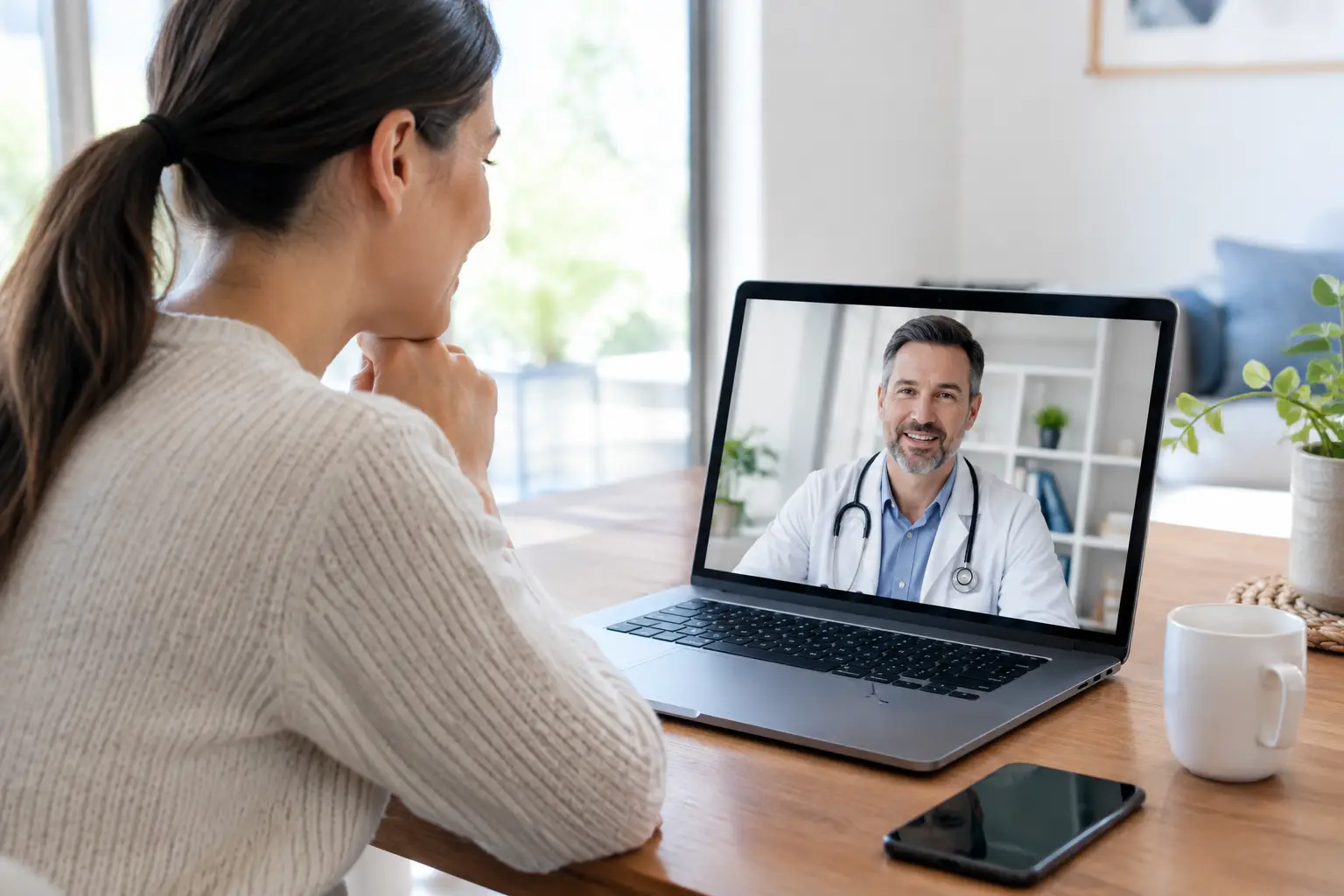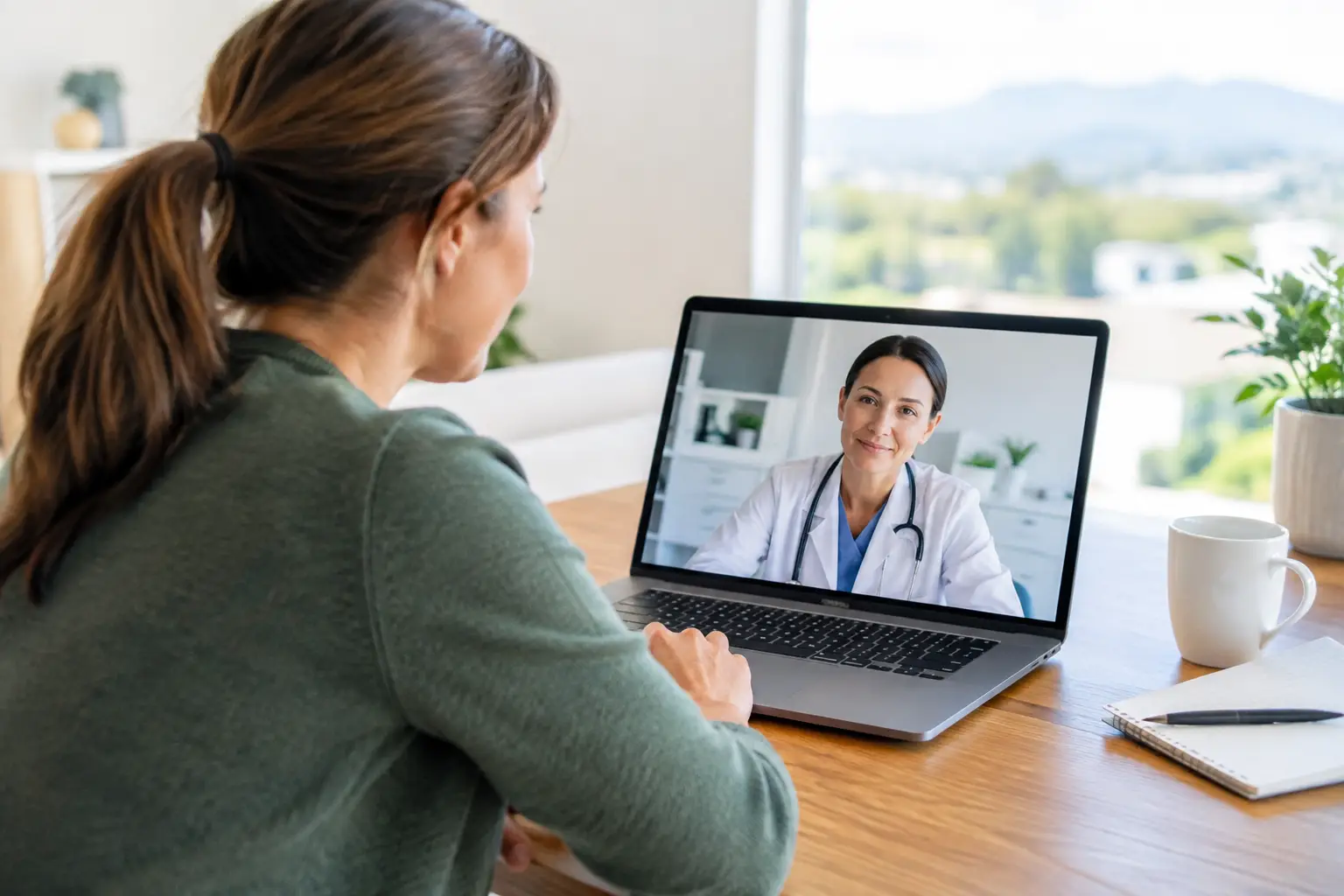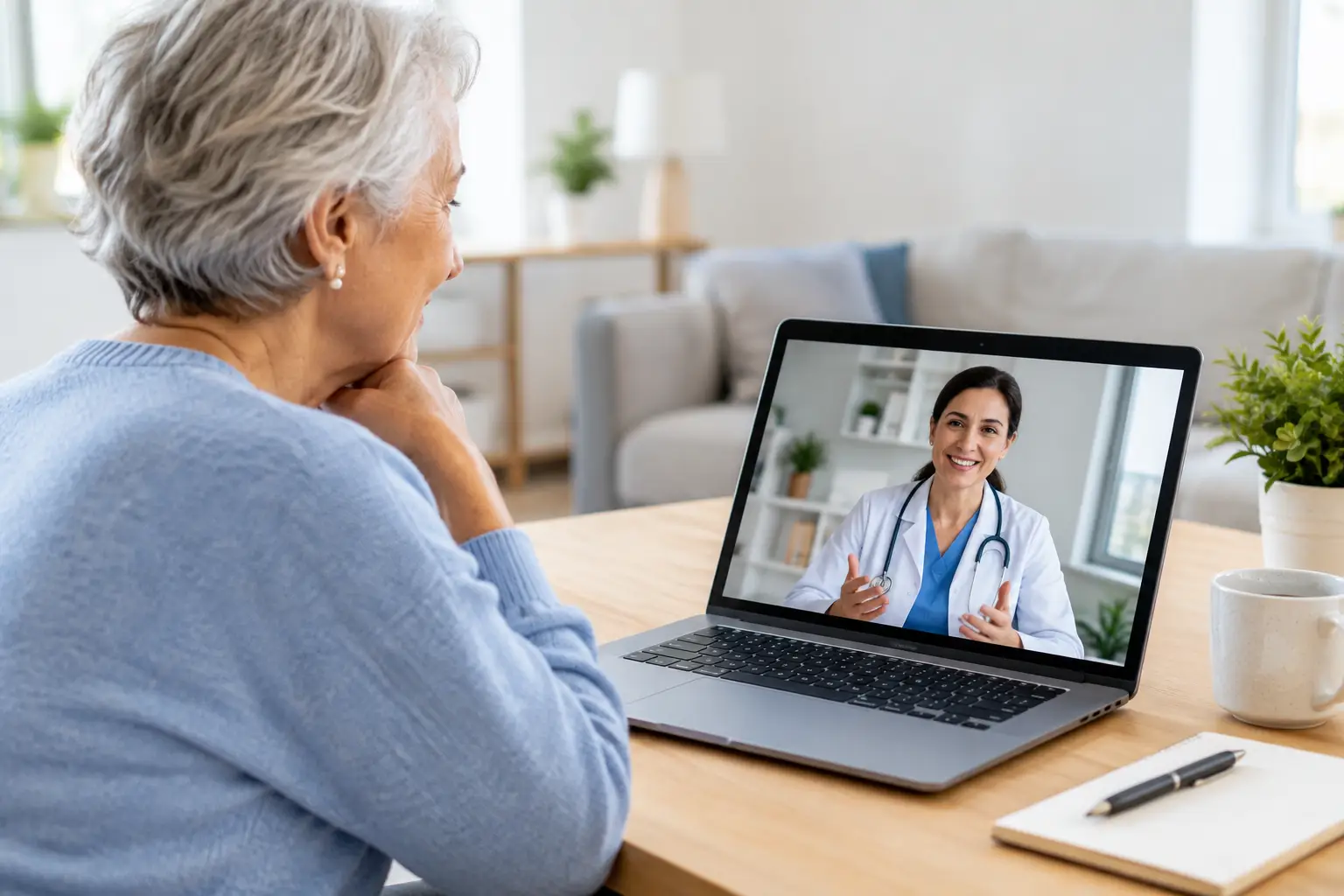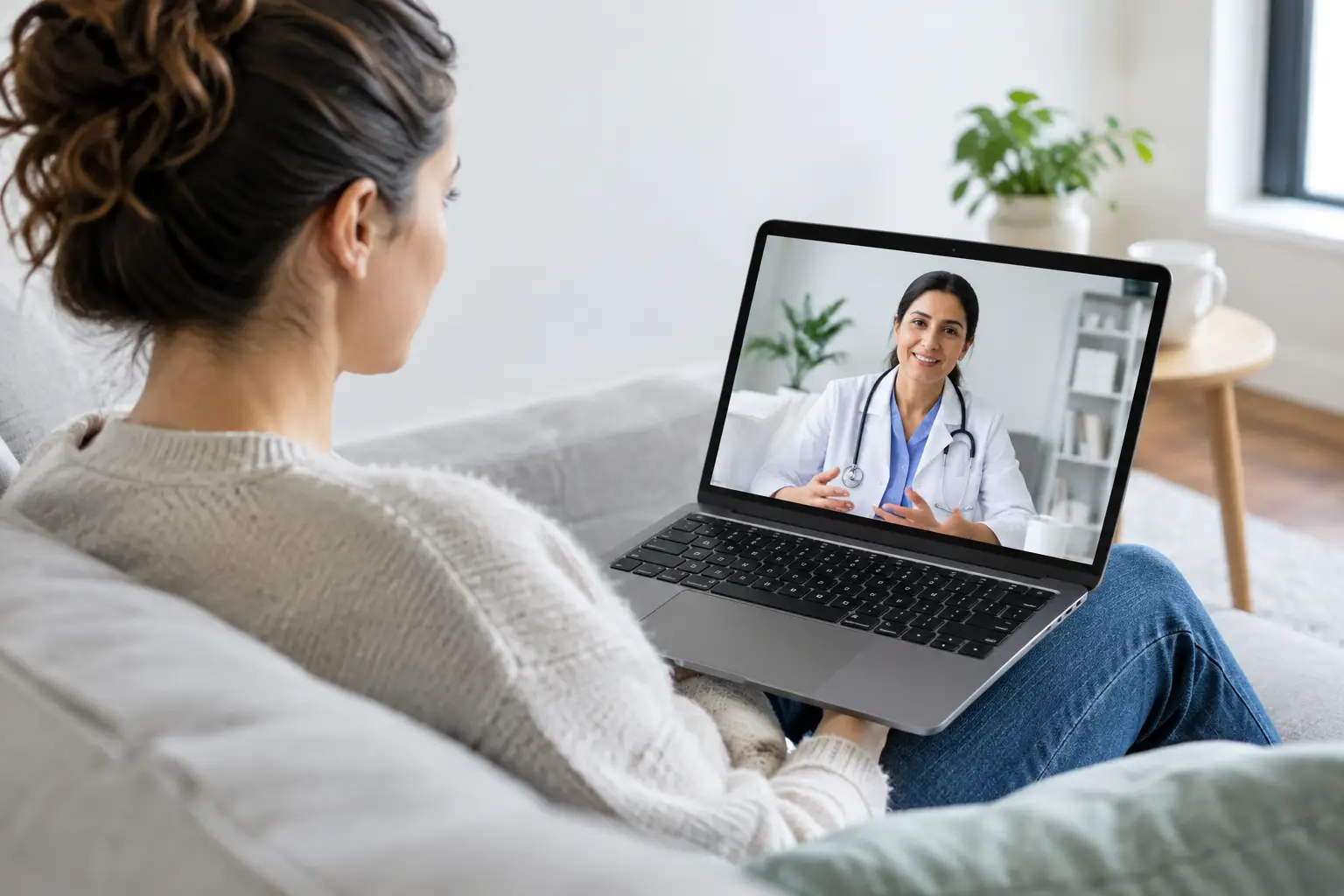
A sore throat on a workday, a repeat script that has run out, or a child who needs a medical certificate can all create the same question: when should I use telehealth? For many everyday health needs, an online GP consultation is a practical way to speak with a qualified doctor without rearranging your day around a trip to the clinic.
Telehealth is not a replacement for emergency care or every face-to-face appointment. It is a convenient option when your concern can be safely assessed through a conversation, your medical history and, where useful, photos or other information you can share securely. The doctor will let you know if an in-person examination, test or urgent care is the better next step.
When should I use telehealth for common concerns?
Telehealth works well for many non-emergency concerns that are familiar, straightforward or do not require a physical examination straight away. You can book an online GP appointment from home, work or while travelling within Australia, which can be particularly helpful when local appointment times are limited.
A telehealth consultation may be suitable if you need advice about cold and flu symptoms, allergies, migraines, uncomplicated urinary symptoms, mild skin concerns, stomach upsets, conjunctivitis, sexual health questions or contraception. It can also be useful for discussing stress, sleep issues, medication side effects or a health concern that you are unsure about but do not believe is urgent.
The point is not to diagnose yourself before booking. Explain what is happening, when it began, how it is affecting you and whether your symptoms are getting worse. An Australian-registered doctor can assess the information you provide and recommend appropriate care.
Telehealth can be especially useful for issues that feel time-sensitive but do not need an emergency department visit. For example, you may wake with a UTI-like symptom, develop hay fever before a presentation, or need medical guidance after a migraine has interrupted your plans. Speaking with a doctor promptly can help you decide what to do next.
Scripts, certificates and referrals without the clinic wait
One of the most common reasons to use telehealth is for routine healthcare paperwork and medication management. If you need a new or repeat prescription, an online consultation allows a doctor to review your request, medical history and current symptoms. Prescriptions are issued only where clinically appropriate, and the doctor may ask questions or recommend a different approach if your circumstances have changed.
Telehealth may also suit patients needing a medical certificate for work, university or other commitments. If you are unwell, staying home rather than sitting in a waiting room can make sense. A doctor can assess your situation and provide documentation when appropriate.
You can also discuss a specialist referral, pathology request or blood-test referral during an online consultation. This is useful when you have ongoing symptoms, need monitoring for an existing condition or have been advised that further investigation may be required. A referral is not automatic, but telehealth gives you a straightforward way to begin the conversation with a GP.
Ongoing conditions can often be managed online
Telehealth is not only for one-off illnesses. It can be a helpful part of managing common chronic conditions when you already have a diagnosis and a care plan. People living with high blood pressure, diabetes, asthma, allergies, chronic pain or recurring migraines may use online appointments to discuss symptoms, review medicines, request repeat scripts or organise follow-up tests.
It is also a convenient option for weight-management consultations, hair loss treatment discussions and preventative health checks. These appointments often begin with a detailed conversation about your health goals, history, current medicines and lifestyle. Depending on your needs, the doctor may recommend tests, an in-person examination or regular follow-up appointments.
The trade-off is that some conditions need hands-on assessment from time to time. A doctor may need to check your blood pressure, listen to your chest, examine a painful joint or look closely at a changing skin lesion. Telehealth can still be the right first appointment, particularly if it helps you access advice quickly, but it may not be the final step in your care.
When telehealth is not the right choice
Online care has clear limits. If your symptoms are severe, sudden or potentially life-threatening, call Triple Zero (000) or go to the nearest emergency department. Do not wait for a telehealth appointment if you are worried that immediate help is needed.
Seek urgent medical attention for symptoms such as:
- chest pain, pressure or tightness
- trouble breathing or severe shortness of breath
- signs of stroke, including facial drooping, arm weakness or speech difficulty
- heavy bleeding, a serious injury or a suspected broken bone
- severe allergic reactions, confusion, seizures or loss of consciousness
- thoughts of harming yourself or someone else
You should also consider an in-person appointment when a physical examination is likely to change the care you receive. This can include a new lump, significant ear pain, severe abdominal pain, a wound that may need treatment, a painful eye, or symptoms in a young child that are difficult to assess remotely.
If you are uncertain, it is still reasonable to seek medical advice. Be clear about your symptoms when booking or speaking with the doctor. They can guide you towards the safest option.
How to get more from an online GP appointment
A little preparation can make a telehealth consultation quick and useful. Find a private, quiet spot with a reliable internet connection and keep your mobile nearby in case the doctor needs to call. Have your Medicare details, current medication list and pharmacy details ready if relevant.
Before the appointment, make a short note of your main symptoms, when they started and anything that makes them better or worse. If you have a thermometer, blood pressure reading, blood glucose result or recent test result, have those details on hand. For visible concerns such as a rash, clear photos taken in good light may help, although the doctor may still recommend an in-person review.
Be honest about your medical history and any medicines, supplements or allergies. Telehealth is confidential, and clear information helps the doctor make a safe clinical decision. If your symptoms change while you are waiting for your appointment, become severe or begin to worry you, seek urgent care instead.
Telehealth makes care easier, not less personal
An online GP consultation is still a medical appointment. You can ask questions, discuss options and receive advice from an AHPRA-registered doctor. The difference is that you can do it without travel time, a packed waiting room or taking more time away from work and family than necessary.
For busy parents, regional patients, people with limited mobility and anyone who needs care outside standard clinic hours, that convenience can remove a real barrier to looking after their health. Services such as Click For Health provide a secure way to book a consultation when it suits you, with transparent steps and professional medical care.
If your concern is non-emergency and you need advice, a script review, certificate, referral or follow-up, telehealth can be a sensible place to start. Book when you need support, tell the doctor what is happening, and let the clinical assessment guide the next step.