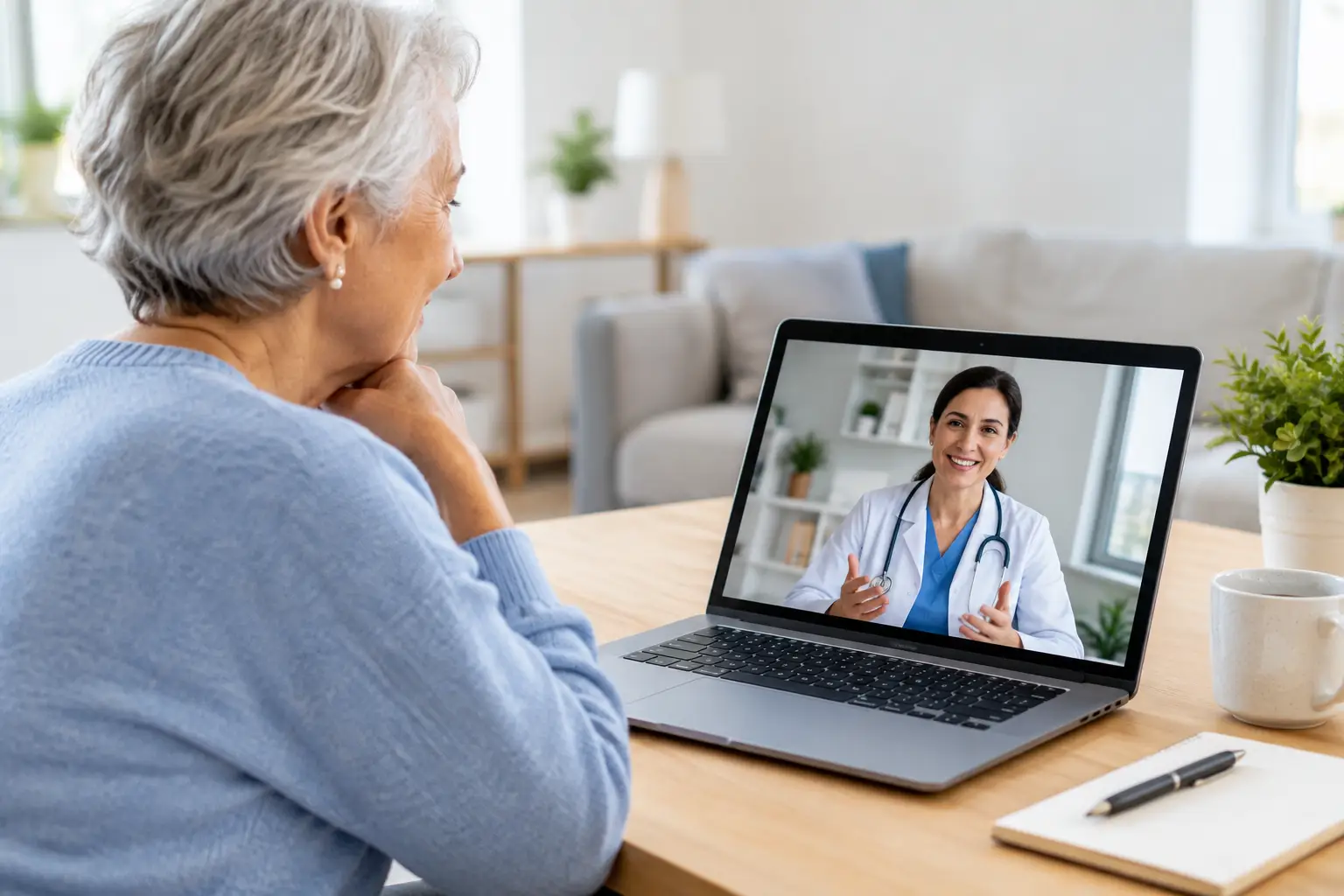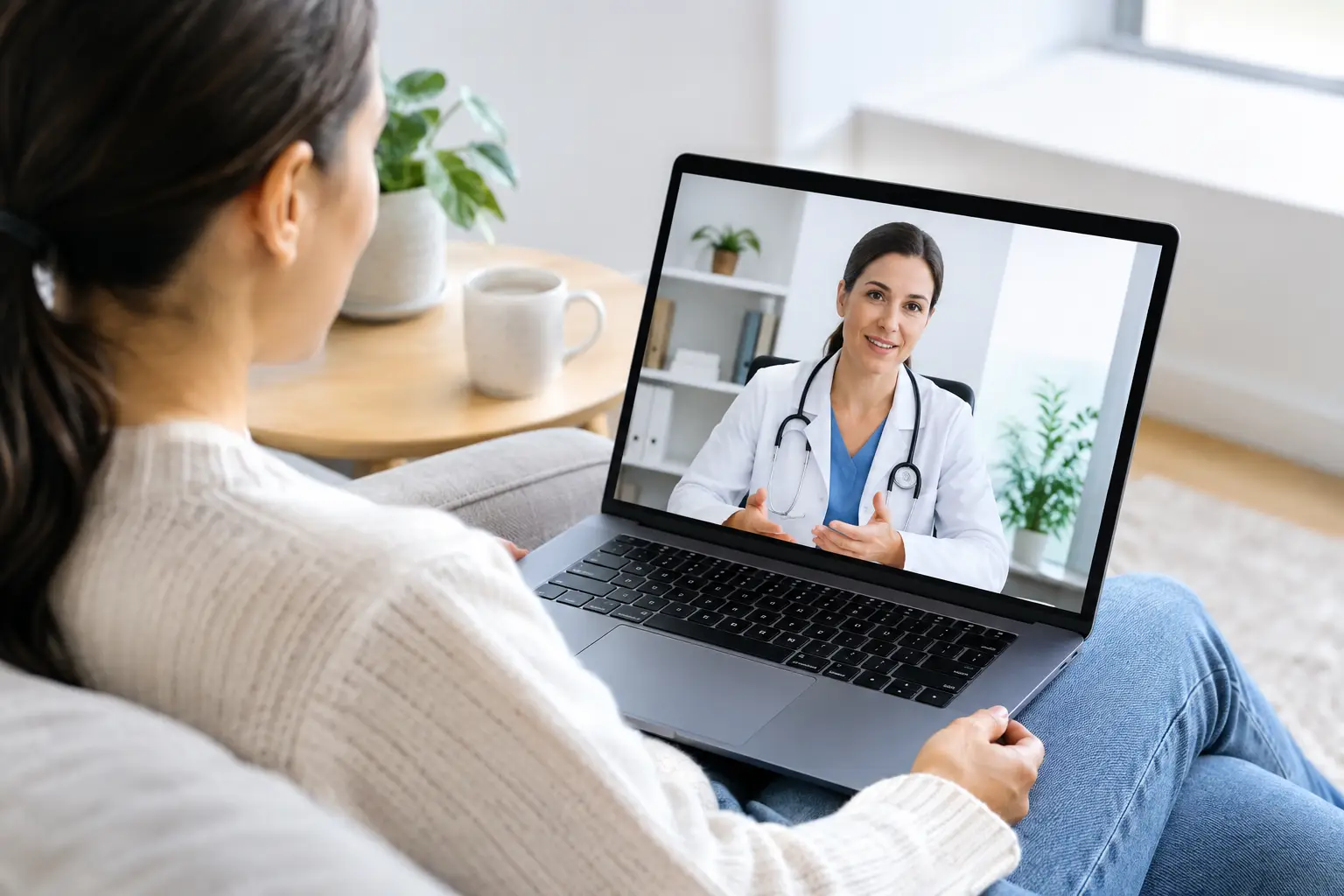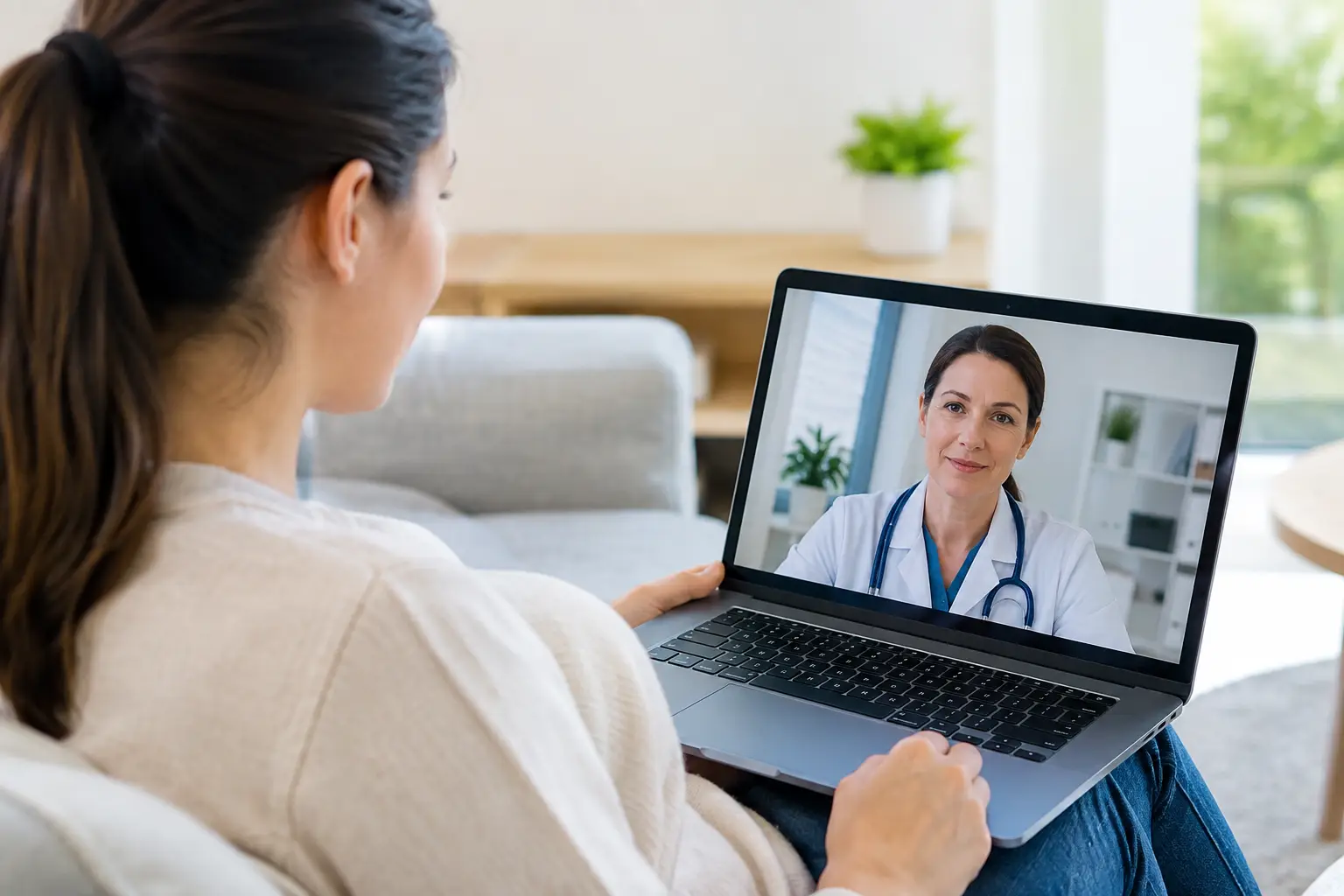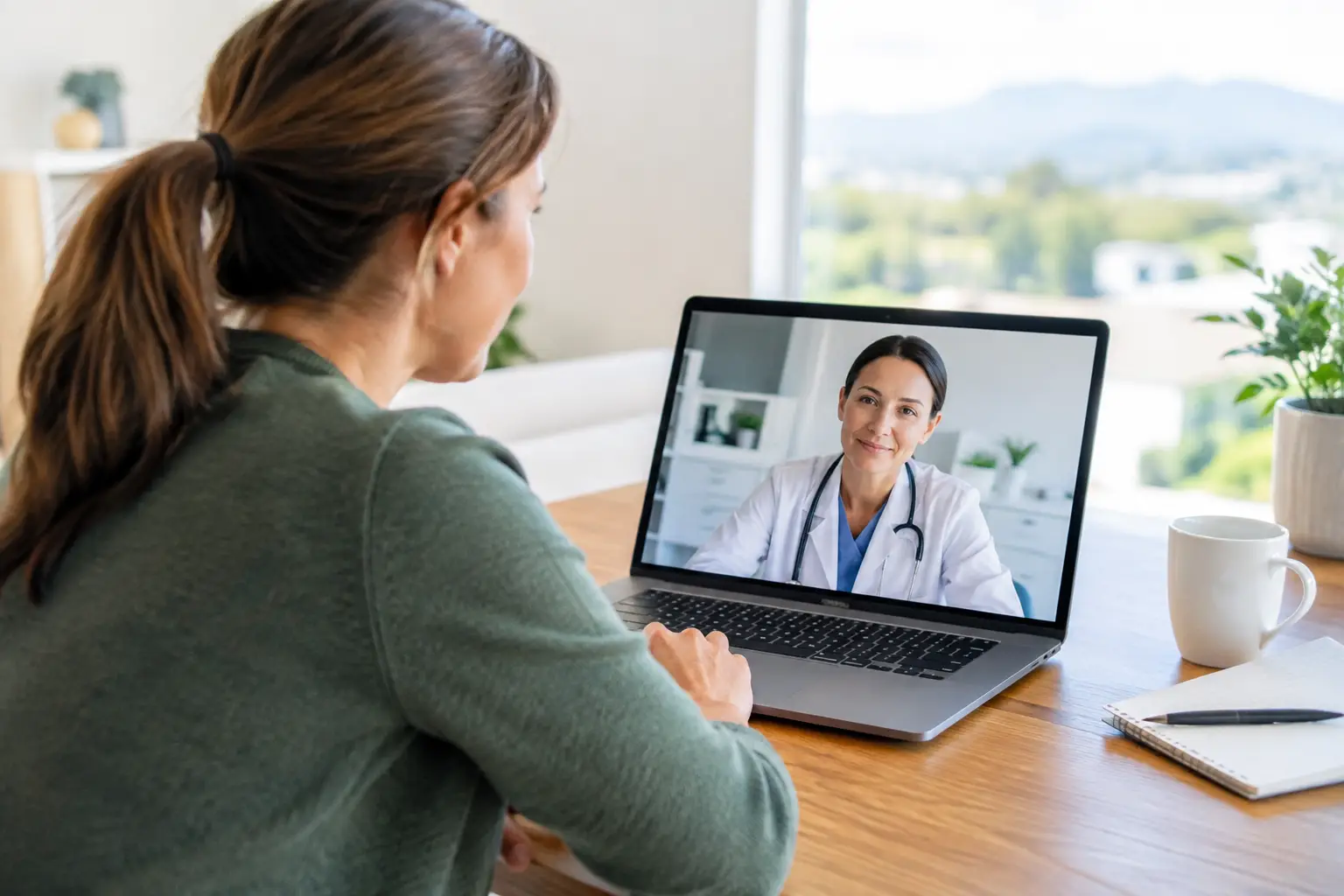
A sick child at 6 pm, a repeat script running low, or a medical certificate needed before tomorrow's shift should not automatically mean hours on the road. Telehealth care for regional patients makes it possible to speak with an Australian-registered doctor from home, work, a farm office or wherever you have a suitable private space and internet connection.
For many people outside major cities, getting to a clinic is not a quick errand. It can involve taking time off, arranging childcare, driving long distances and hoping an appointment is available when you arrive. Online GP consultations cannot replace every face-to-face visit, but they can make routine healthcare far more practical.
Why access can be harder outside metropolitan areas
Regional communities have strong local health services, but access can still be affected by distance, limited appointment times and fewer available practitioners. If your usual GP is booked out, a straightforward health concern can become a much bigger disruption to your day.
This is particularly frustrating when the care you need is administrative or suitable for a GP conversation: a repeat prescription, a referral, a pathology request or advice about a common illness. The issue may be simple. The travel and waiting often are not.
Telehealth gives patients another way to access care. Rather than replacing your regular GP, it can help fill the gaps when you need timely support and an in-person appointment is not practical.
What telehealth can help with
A video or phone consultation can suit many common, non-emergency health needs. A doctor will ask questions about your symptoms, medical history, current medicines and any relevant information before deciding what care is appropriate.
Telehealth may be useful for colds and flu, allergies, migraines, urinary tract infection symptoms, skin concerns, contraception, sexual health questions, pain management and digestive issues. It can also support ongoing care for common conditions such as diabetes or high blood pressure, where a doctor can review your situation and advise on next steps.
For regional patients, the practical outcomes can be just as valuable as the consultation itself. Depending on your clinical needs, a doctor may provide medical advice, issue a medical certificate, arrange a pathology or blood-test referral, prepare a specialist referral, or prescribe appropriate medication. Repeat scripts may also be available where clinically suitable.
A prescription is never automatic. The doctor needs to decide that it is safe and appropriate, and some medicines or situations require an in-person assessment. That clinical judgement protects patients and ensures telehealth remains useful, not just convenient.
When an online consultation is a good fit
Telehealth is often a sensible choice when your concern is familiar, your symptoms are mild to moderate, or you need to organise routine care without delaying it. It can be especially helpful for people managing work, school runs, caring responsibilities, mobility limitations or the realities of living a long way from a clinic.
It is also a private option. You can discuss sensitive concerns from a location that feels comfortable, rather than sitting in a waiting room in a small community. Choose a quiet space, use headphones if you can, and have your Medicare details and medication list ready before the consultation.
When you need urgent or face-to-face care
Telehealth is not the right pathway for emergencies. Call 000 or go to the nearest emergency department if you have severe chest pain, trouble breathing, signs of stroke, serious bleeding, a severe allergic reaction, loss of consciousness, or thoughts of harming yourself or someone else.
Some conditions also need a physical examination, testing or treatment that cannot be provided remotely. A doctor may recommend an in-person GP appointment, an urgent care service, a pharmacy visit or hospital assessment. This is not a failed telehealth consultation. It is the doctor making sure you receive the right level of care.
How telehealth care for regional patients works
The process should be quick and easy. You book an appointment online, select a time that suits you and speak with a doctor by phone or video. You do not need to leave home just to start the conversation.
Before your appointment, write down when your symptoms began, what makes them better or worse, and any medicines or treatments you have already tried. If you have recent test results, specialist letters or a home blood-pressure reading, keep them nearby. Clear information helps the doctor assess your needs efficiently.
During the consultation, be direct about your symptoms and any concerns. Mention allergies, pregnancy, chronic conditions and medications, even if they do not seem connected. If the doctor asks you to attend a clinic or hospital, follow that advice promptly.
Afterward, any approved script, certificate or referral can be handled digitally according to the service process. That means less paperwork, fewer kilometres travelled and a clearer next step for your care.
What to look for in an online doctor service
Convenience matters, but trust matters just as much. Regional patients should be able to feel confident that the person providing care is properly qualified and that their information is handled securely.
Look for a service that clearly states its doctors are registered with AHPRA, explains its pricing upfront and protects patient privacy through secure systems. It should also make clear that prescriptions and referrals are issued only when clinically appropriate.
Availability is another practical consideration. Health concerns do not always arrive during local clinic hours, and a service with appointments available around the clock can reduce unnecessary waiting. Click For Health connects patients with Australian-registered doctors 24/7 for a range of routine GP needs, with straightforward online booking and confidential consultations.
It is worth checking whether the service offers bulk-billing access where eligible, but do not assume every consultation will be bulk billed. Reviewing fees before you book helps avoid surprises and lets you choose the option that works for your circumstances.
Making telehealth work better from a regional location
You do not need perfect technology to have a useful consultation, although a reliable connection helps. If video quality is poor, a phone consultation may still allow the doctor to discuss symptoms, review your history and decide what should happen next.
Find a private spot with good mobile reception or internet access. Charge your mobile, keep your pharmacy details handy and, if relevant, have a thermometer, blood-pressure monitor or photos of a visible concern ready. Photos can be helpful for some skin issues, but they do not replace an examination where one is needed.
Telehealth works best when it forms part of your broader healthcare plan. Continue seeing your regular GP for preventive checks and complex care, and use local services for examinations, vaccinations and tests. Online care can reduce the pressure of distance without disconnecting you from the health professionals in your community.
Care that fits around real life
Living regionally should not mean putting off a prescription, ignoring a new symptom or losing a day's income to organise a routine medical document. Telehealth provides a practical first step for many everyday concerns, while still recognising when hands-on care is needed.
When you need prompt, professional advice for a non-emergency issue, booking an online GP consultation can put care within reach - no long drive, no fuss, and a clear plan for what comes next.