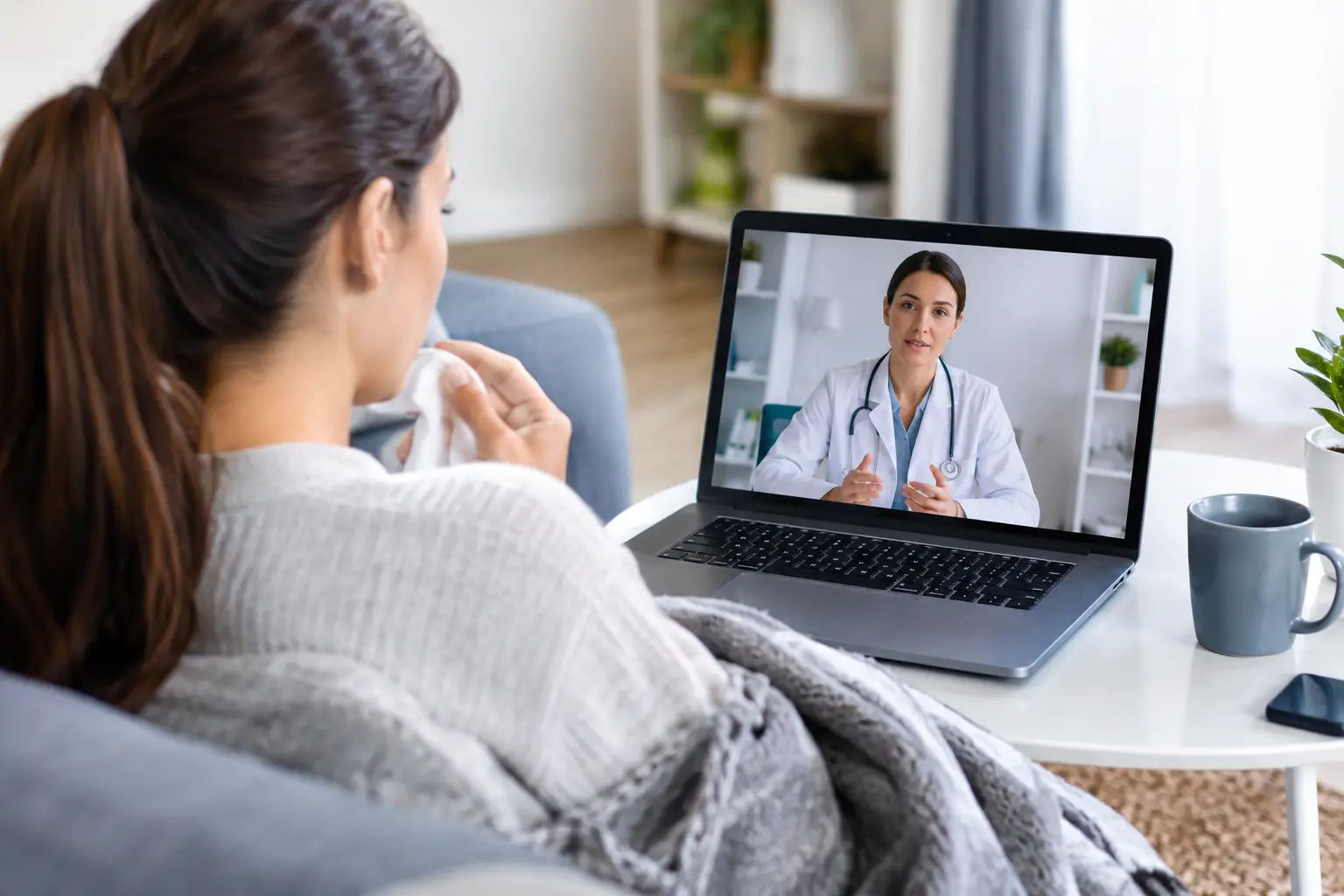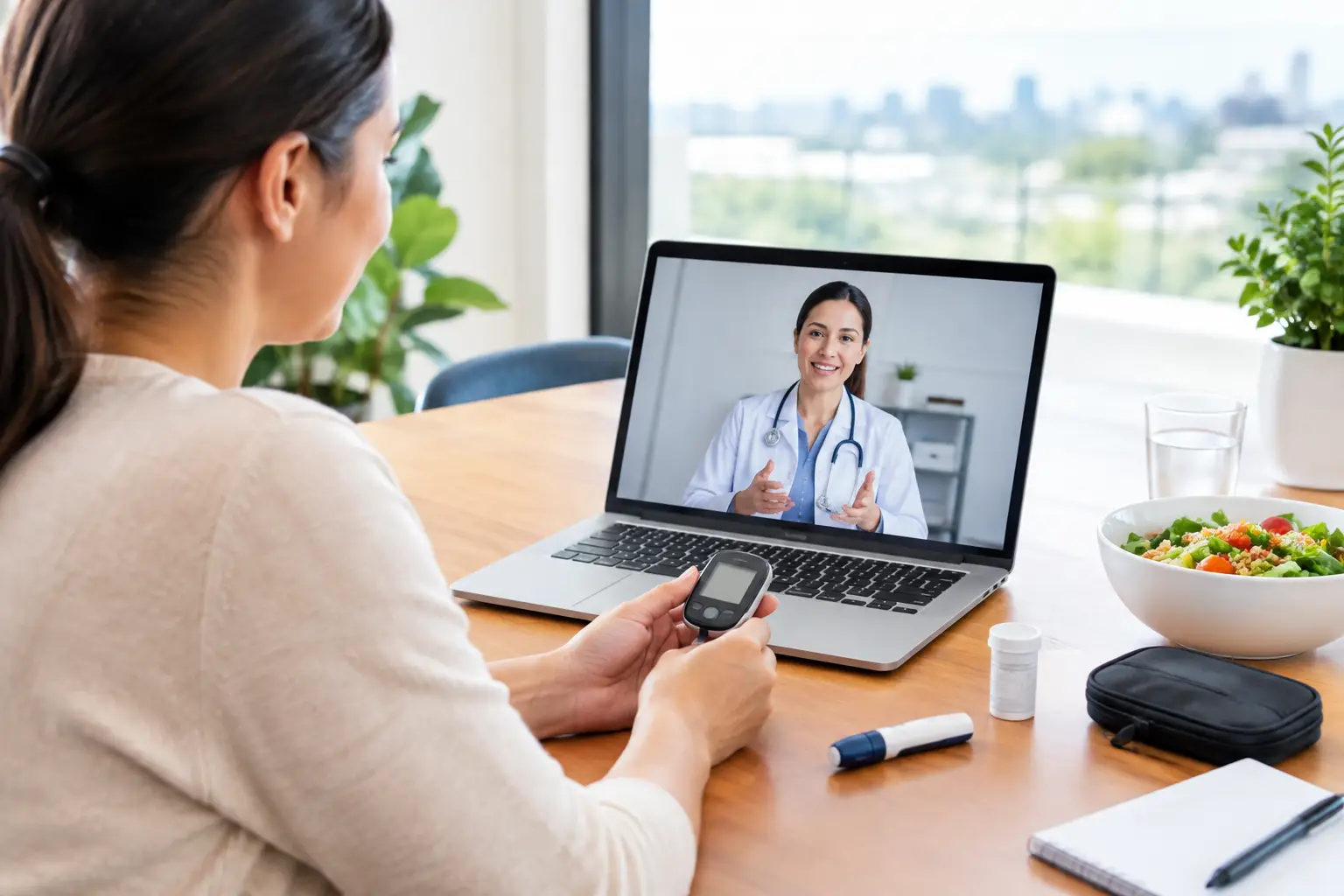
A diabetes appointment should not have to mean taking half a day off work, arranging childcare or driving hours to a clinic. An online diabetes management consultation gives you a practical way to speak with an Australian-registered doctor about your diabetes care from home, work or wherever you are in Australia.
For many people, telehealth is especially useful for routine follow-up, discussing results, renewing suitable medicines and getting a clear plan for what to do next. It does not replace emergency care or every face-to-face appointment, but it can make staying on top of an ongoing condition far more manageable.
What an online diabetes management consultation can help with
Diabetes care is ongoing. Your needs may change after a new blood test, a medication adjustment, illness, weight change, pregnancy planning or a shift in your daily routine. A telehealth consultation lets you raise these issues with a doctor without adding unnecessary travel and waiting-room time to your week.
During an appointment, a doctor may discuss your current treatment, recent blood glucose readings, symptoms, medication side effects and any results you have received. They can also consider whether you need a prescription, repeat script, pathology referral, specialist referral or an in-person review.
This can be helpful for people living with type 1 diabetes, type 2 diabetes, gestational diabetes or prediabetes. The right approach depends on your diagnosis, treatment plan, health history and current concerns. A short online appointment can be a sensible place to start when you need medical guidance but do not need urgent hands-on assessment.
Common reasons Australians book
You may want to speak with a doctor about running low on a regular diabetes medicine, needing a pathology request for routine monitoring, reviewing a recent HbA1c result or asking whether a new symptom could be related to your treatment. Some people also need a medical certificate when diabetes, a related illness or an appointment has affected their ability to work or study.
Telehealth can also help when your usual GP is booked out, you are travelling, you live in a regional area or getting to a clinic is difficult because of mobility, work or family commitments. The convenience matters, but so does continuity. Keep a record of your medicines, glucose readings and previous results so the doctor has the clearest possible picture of your care.
When an online consultation is a good fit
An online appointment is generally best for non-urgent concerns where conversation, clinical history and available results can guide the next step. It may suit routine diabetes follow-up, medication questions, repeat prescription requests and referrals for pathology or specialist care.
It is also a useful option when you have noticed a pattern that you want to discuss, such as consistently higher readings at a certain time of day, more frequent hypos, difficulty sticking to your treatment routine or side effects after a medicine change. Be specific about when the issue began, how often it happens and what you have already tried. Those details help the doctor make a safer, more useful assessment.
A doctor may decide that telehealth is not enough on its own. They might ask you to attend a clinic for a physical examination, blood pressure check, foot assessment, urgent blood test or further investigation. That is not a setback. It is the right next step when your symptoms or results need care that cannot be safely provided through a screen.
When to seek urgent help instead
Do not wait for a routine telehealth consultation if you have severe or worsening symptoms. Seek urgent medical care if you have chest pain, trouble breathing, confusion, fainting, severe vomiting, signs of severe dehydration, a very unwell child, or symptoms of dangerously high or low blood glucose that are not improving with your usual action plan.
People with diabetes should also act promptly for new foot wounds, spreading redness, swelling, blackened skin, fever with a suspected infection, or a sudden change in vision. If you are unsure whether a symptom is urgent, it is safer to seek immediate medical advice.
How to prepare for your telehealth appointment
A little preparation can make your consultation quicker and more productive. Before the appointment, have your current medication list nearby. Include the name, dose and how often you take each medicine, including insulin, non-diabetes medicines, supplements and any over-the-counter products.
If you monitor your blood glucose, write down or have access to recent readings. You do not need a perfect spreadsheet. A few days or weeks of readings, alongside notes about meals, exercise, illness, missed doses or hypos, can be very useful. If you use a continuous glucose monitor or insulin pump, be ready to explain the trends you have noticed and whether any alerts have occurred.
It also helps to have recent pathology results, hospital discharge information or letters from your usual doctor or specialist available. If your appointment is about a prescription, check how much medicine you have left. Booking before you run out gives the doctor time to assess your request and, where clinically appropriate, arrange a script without added stress.
Choose a private, quiet space with a reliable internet connection. Use headphones if you need extra privacy. Diabetes consultations can cover sensitive health information, and you should feel comfortable speaking openly.
Prescriptions, pathology and referrals
An online doctor can assess whether a prescription or repeat script is clinically appropriate. This may include medicines used for diabetes management or treatment related to your overall health. Prescriptions are not automatic, particularly when a medicine requires monitoring, a dose change needs closer review or there are safety concerns. The doctor will consider your individual circumstances before making a decision.
Pathology referrals can be useful for checking markers that form part of diabetes care, such as HbA1c, kidney function, cholesterol and other tests relevant to your health history. Your doctor can explain why a test may be needed and what follow-up is appropriate once results are available.
Some people may also need a referral to an endocrinologist, diabetes educator, dietitian, podiatrist, ophthalmologist or another health professional. Allied health and specialist support can play an important role in long-term diabetes care. A doctor can help determine whether a referral is suitable and whether an in-person appointment should happen first.
Diabetes management is more than a number
Blood glucose readings and HbA1c results matter, but they are only part of the picture. Good diabetes care also considers how you feel, what you can realistically manage, your sleep, food, activity, stress, other medicines and any barriers getting in the way.
There is rarely one perfect plan that works for everyone. A shift worker may need different support from someone with a regular nine-to-five schedule. A parent managing a busy household may need a plan that is simple and flexible. Someone in a regional community may need care that reduces repeat travel. Honest conversations about what is achievable are more useful than advice that looks good on paper but does not fit real life.
If you are newly diagnosed, an online consultation can help you understand the immediate next steps and organise appropriate follow-up. If you have managed diabetes for years, it can provide a convenient check-in when something changes or you need documentation, a prescription review or a referral.
Care that fits around your day
Click For Health connects patients with AHPRA-registered Australian doctors through a secure telehealth service. You can book an appointment without the clinic commute and discuss your non-emergency diabetes concerns in a confidential setting. Doctors can assess your needs and advise on suitable next steps, including prescriptions, medical certificates, pathology referrals or further care when appropriate.
The best time to address a diabetes concern is usually before it becomes a bigger problem. If your readings have changed, your medication is running low or you simply need a clearer plan, booking an appointment can give you practical medical support without putting the rest of your day on hold.