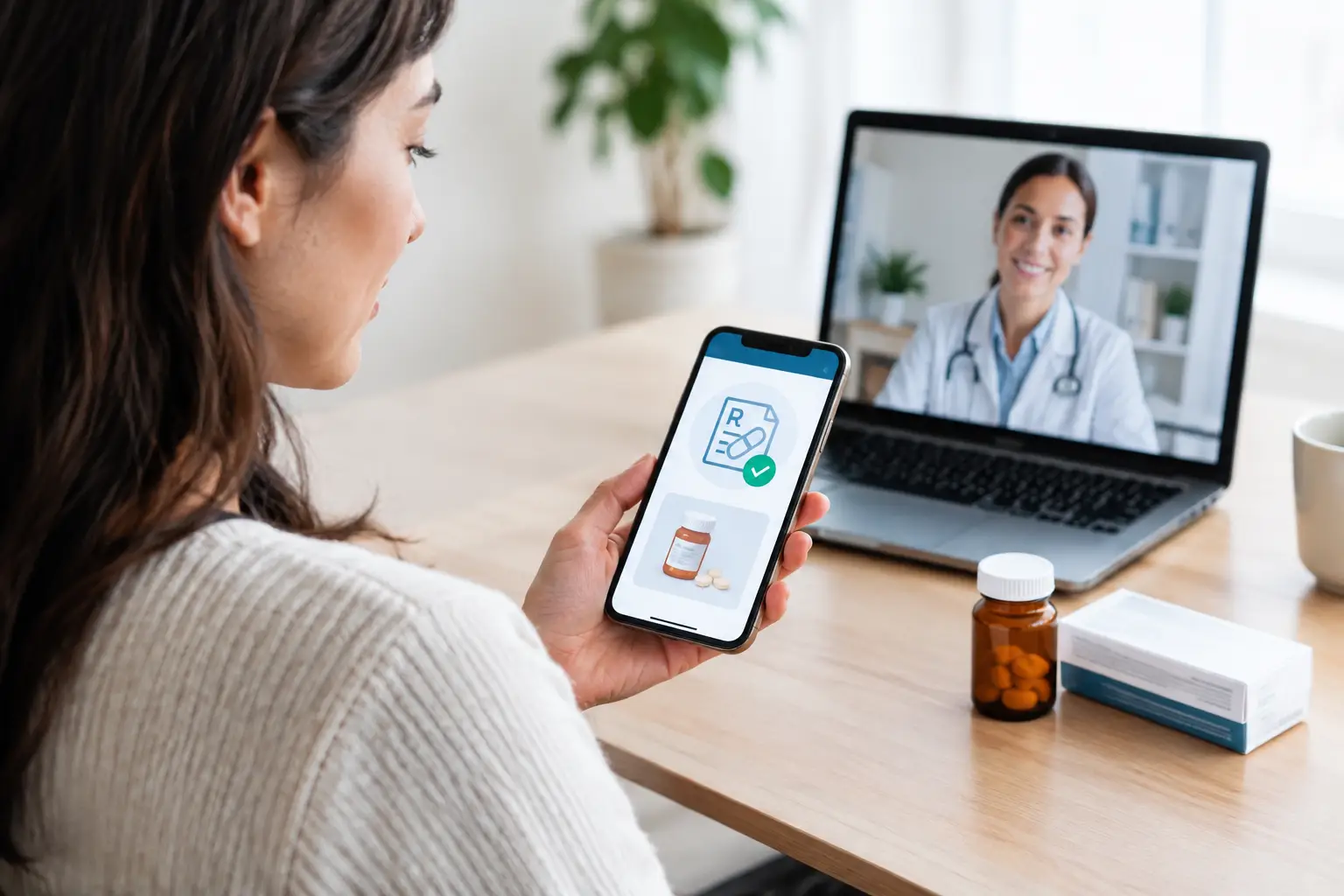
A repeat script, medical certificate or referral can feel urgent when your regular clinic has no appointments. That naturally raises a fair question: are online doctors AHPRA registered? When you book telehealth in Australia, you should expect to consult with a properly qualified, Australian-registered health practitioner - not simply someone available through an app.
The short answer is yes, legitimate online GP services use doctors who are registered with the Australian Health Practitioner Regulation Agency, known as AHPRA. But it is worth knowing what that registration means, how to check it yourself and where telehealth is, and is not, the right choice for your care.
What AHPRA registration means for online doctors
AHPRA works with Australia’s National Boards to regulate registered health practitioners, including medical practitioners. A doctor registered with AHPRA must meet professional standards designed to protect patients. These standards cover areas such as qualifications, conduct, ongoing professional development and safe clinical practice.
Registration is not a one-off certificate. A practitioner’s registration can have conditions, restrictions or other details that may be relevant to the care they provide. This is why the public register exists: it gives patients a practical way to confirm that the person treating them is registered to practise in Australia.
For telehealth, the clinical standard does not disappear because the consultation happens by video or phone. An online doctor still needs to assess your symptoms appropriately, ask the right questions, consider whether remote care is suitable and keep a proper clinical record. They must also follow the same professional obligations around privacy, prescribing and referrals as they would in a clinic.
There is one useful distinction to make. AHPRA registers individual practitioners, not telehealth websites in the same way. A reliable online healthcare provider should clearly tell you who is providing your consultation and confirm that its doctors are AHPRA registered. The platform itself should also have strong privacy and security processes for handling your health information.
Are online doctors AHPRA registered across all services?
Not every person offering health advice online is necessarily a doctor. Some services may connect you with a nurse practitioner, psychologist, physiotherapist or another registered practitioner. Others may offer general wellbeing information without providing an individual clinical consultation at all.
That is not automatically a problem. Different health professionals have different scopes of practice, and many provide excellent care. The key is that the service is clear about who you will see, their qualifications and what they can help with.
If you are booking an online GP consultation, look for wording that confirms you will speak with an Australian-registered doctor. If you need a prescription, medical certificate, pathology request or specialist referral, the clinician must decide whether it is clinically appropriate after assessing you. A reputable service will not promise that every request will be approved.
At Click For Health, patients consult with AHPRA-registered Australian doctors for common GP needs, all from a secure online platform. The focus is straightforward: speak with a qualified doctor when getting to a clinic is difficult or simply does not fit your day.
How to check a doctor’s AHPRA registration
Checking registration should be quick and simple. A legitimate telehealth provider will usually display the doctor’s name, or provide it during your consultation and in any clinical documents you receive. You can then search the AHPRA public register using the practitioner’s name.
When reviewing the result, check that the practitioner is listed as a medical practitioner and that their registration is current. The register may also show registration type and any conditions, undertakings or reprimands that are publicly available.
It is reasonable to ask a provider directly if you cannot find this information. Clear answers are a good sign. Be cautious if a service avoids naming the clinician, makes vague claims about being "qualified" without confirming Australian registration, or pressures you to pay for medication before a doctor has assessed you.
A few practical signs can help you choose a trustworthy service:
- It identifies the type of practitioner you will consult with.
- It states that doctors are AHPRA registered and based in Australia.
- It explains fees before you book.
- It uses a private consultation process rather than collecting medical details through informal messaging.
- It makes clear that prescriptions, certificates and referrals depend on clinical assessment.
These details do not replace checking the register if you have concerns, but they show whether a provider takes clinical accountability seriously.
What a safe online consultation should feel like
A telehealth appointment should feel like a real medical consultation, not a quick transaction. Your doctor may ask about your symptoms, medical history, allergies, current medicines, pregnancy status where relevant and any recent test results. They may ask you to describe what you can see or feel, take a temperature, or use a home blood pressure monitor if you have one.
The doctor should also explain the next step. That may be advice on self-care, a prescription, a pathology referral, a medical certificate or a recommendation to see a doctor in person. Sometimes the safest outcome is that telehealth is not enough for your particular symptoms. This is good clinical judgement, not a lack of service.
For example, online care can be highly practical for repeat prescriptions, straightforward UTIs, allergies, migraines, contraception discussions, common skin concerns and follow-up care for ongoing conditions. It can also save time when you need a referral or certificate and your condition can be assessed remotely.
However, some problems need a physical examination, urgent tests or hands-on treatment. Severe chest pain, trouble breathing, signs of stroke, heavy bleeding, a serious allergic reaction, sudden confusion or thoughts of harming yourself require urgent help. Call Triple Zero (000) or attend an emergency department rather than waiting for an online appointment.
Prescriptions and referrals still need clinical judgement
One of the biggest misunderstandings about telehealth is the idea that an online booking guarantees a script or referral. It does not, and it should not. AHPRA-registered doctors are required to prescribe safely, whether the appointment is online or face-to-face.
Your doctor will consider whether a medicine is suitable, whether it could interact with other treatments and whether your symptoms point to a condition that needs further investigation. They may offer an alternative, request more information or recommend an in-person review. Similar judgement applies to referrals and pathology requests.
This matters particularly for medicines with higher risks, new or worsening symptoms, and conditions that have not been properly assessed before. Convenience is valuable, but it should sit alongside safe care. Good telehealth makes access easier without cutting out the clinical checks that protect patients.
Privacy matters as much as registration
Registration tells you about the practitioner. Privacy tells you how your personal information is handled. Health information is sensitive, so choose a provider with a secure booking and consultation process, a clear privacy approach and a professional method for sending prescriptions, certificates and referrals.
Before your appointment, find a quiet place where you can speak openly. Have your Medicare details, medication list and any relevant test results ready. A few notes about when your symptoms started can also help your doctor make an informed assessment without wasting time.
For many everyday health needs, seeing an online doctor is a quick and easy way to access care from home, work or wherever you are. Check the practitioner, be open about your symptoms and let clinical judgement guide the next step. That is healthcare made simple, without compromising on the standards that matter.