A sore throat before work, a repeat script that has run out, a child with a rash on a Sunday, or a medical certificate needed before the day ends - these are the moments when choosing care quickly matters. When weighing up telehealth versus walk-in clinic, the best option depends on what you need assessed, how urgently you need help and whether an in-person examination is likely to be necessary.
For many routine, non-emergency health concerns, speaking with an Australian-registered doctor online can save the trip, the waiting room and the disruption to your day. A walk-in clinic still has an important place when a clinician needs to examine you physically or arrange care that cannot be provided remotely.
Telehealth versus walk-in clinic: the key difference
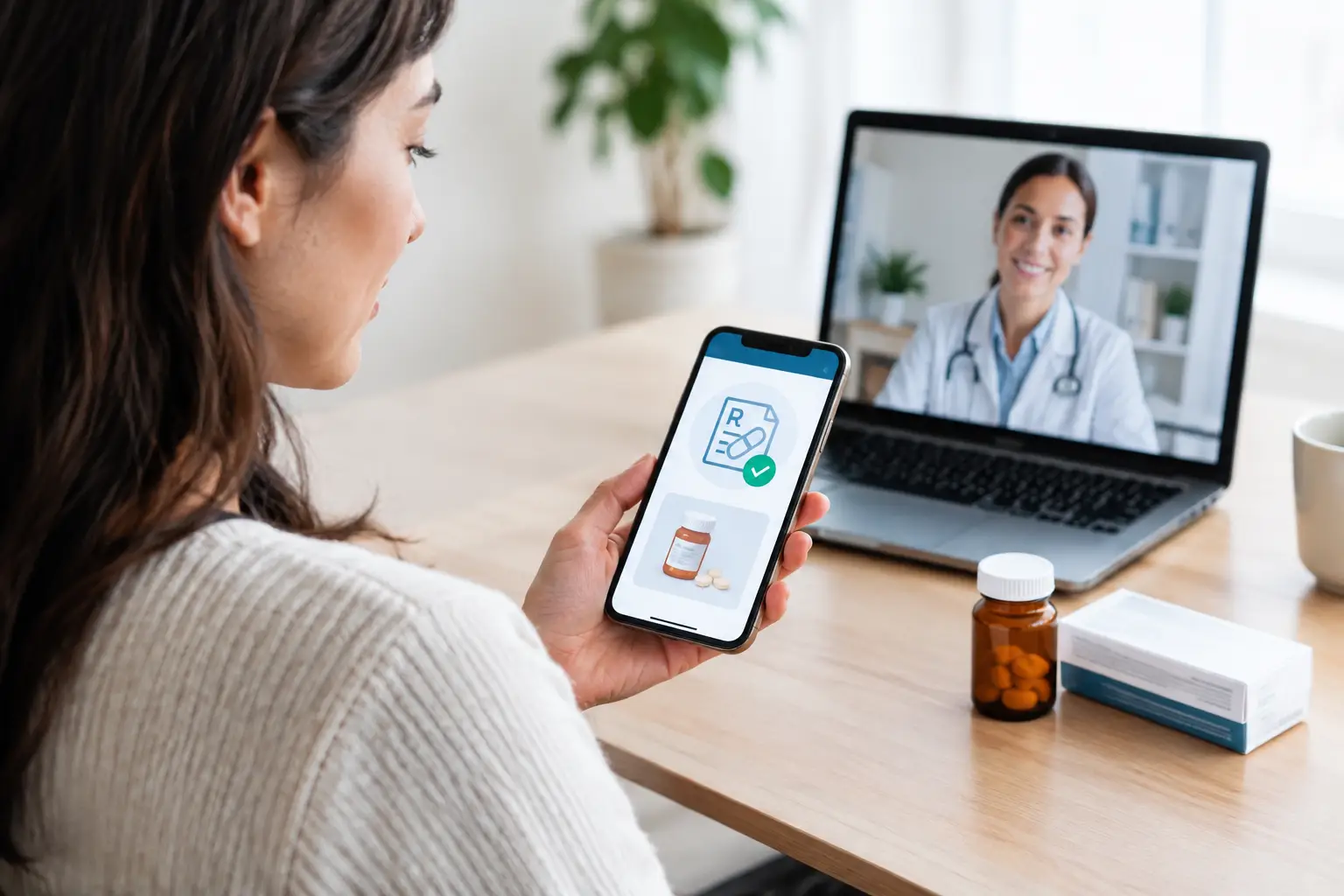
Telehealth connects you with a doctor by phone or video consultation. You can discuss your symptoms, medical history and treatment needs from home, work or wherever you have a private space. If clinically appropriate, the doctor may provide medical advice, a prescription, medical certificate, referral or pathology request.
A walk-in clinic, sometimes called an after-hours clinic or medical centre, offers face-to-face care without requiring a booked appointment. You travel to the clinic, check in and wait to be seen. This can be useful when you need a hands-on assessment, but wait times can vary significantly depending on the time of day and how busy the clinic is.
Neither option is automatically better. The right choice comes down to the type of care required.
When telehealth may be the practical choice
Telehealth is well suited to common health needs where a doctor can safely assess the situation through conversation, relevant history and visual review where video is available. It is particularly useful when the main barrier to care is time, distance or limited appointment availability.
For example, an online GP consultation may be appropriate for cold and flu symptoms, allergies, migraines, uncomplicated urinary tract infection symptoms, skin concerns, contraception advice, sexual health questions, hair loss, weight management and ongoing management of common conditions such as high blood pressure or diabetes. A doctor will still make the clinical decision based on your individual circumstances.
It can also be a straightforward option for administrative and follow-up needs. If you need to discuss a repeat prescription, request a medical certificate, organise a specialist referral or talk through pathology results, an online consultation may avoid an unnecessary clinic visit.
Convenience without putting care on hold
The clearest advantage of telehealth is flexibility. You do not need to take time out for travel, find parking, sit in a crowded waiting room or organise extra support if you are caring for children. This can make a real difference for shift workers, students, parents, people with limited mobility and Australians living outside major centres.
Access outside standard clinic hours is another consideration. Health concerns do not always arrive at a convenient time. A telehealth service with 24/7 appointment availability can help you speak to a doctor when your usual GP is closed, provided the concern is suitable for remote care.
Privacy can matter too. Discussing a sensitive issue from a confidential setting may feel more comfortable than sitting in a busy reception area. A secure telehealth platform and an AHPRA-registered doctor provide the clinical and privacy foundations patients should expect.
What telehealth cannot replace
A remote consultation has limits. A doctor cannot listen to your chest with a stethoscope, check your blood pressure in the room, examine an injury closely by touch or perform procedures through a screen. Sometimes your doctor may start with telehealth and then advise an in-person appointment, a pathology test, imaging or urgent assessment.
That is not a failed consultation. It is good clinical judgement. The aim is to choose the safest next step, not to force every health concern into an online appointment.
When a walk-in clinic is a better fit
A walk-in clinic may be the more suitable choice when you need a physical examination and cannot wait for a standard GP booking. This might include a painful ear that needs to be examined, a wound that may require cleaning or closure, an injury where movement or swelling needs assessment, or symptoms that require vital signs to be checked in person.
Face-to-face care can also be helpful if communication by phone or video would make it hard to explain your symptoms, or if you do not have a quiet and private place for a consultation. For some people, the reassurance of being examined in the room is simply the right fit.
Keep in mind that “walk-in” does not always mean immediate. You may still wait, particularly in the evening, on weekends or during periods of high demand. It is worth considering the time involved from door to door, not only the time spent with the doctor.
Know when neither option is enough
Telehealth and walk-in clinics are not for emergencies. If you have chest pain, severe difficulty breathing, signs of stroke, severe bleeding, a major injury, loss of consciousness, thoughts of harming yourself or another urgent, life-threatening concern, call Triple Zero (000) or go to the nearest emergency department.
For babies, pregnancy concerns, rapidly worsening symptoms or serious underlying conditions, it is sensible to seek timely advice. If you are unsure how urgent a problem is, speak with a health professional rather than waiting it out.
Comparing time, cost and follow-up
The time comparison is often more significant than it first appears. A walk-in visit can involve travel, parking, checking in and waiting, even if the consultation itself is brief. Telehealth can reduce that time by allowing you to wait in your own space and return to your day once the appointment is finished.
Cost will vary between providers. Some services offer bulk-billed appointments for eligible patients, while others charge a private fee. Walk-in clinic fees can also differ, particularly after hours. Check the price before booking or attending so there are no surprises.
Follow-up is another factor. A walk-in doctor may recommend you see your regular GP for ongoing care, especially if you have a chronic condition. Telehealth can also support ongoing management, but continuity is strongest when your treating doctor has access to your history and can monitor changes over time. Where possible, keep your regular GP informed about significant diagnoses, tests and medicines.
How to choose in the moment
Start with one practical question: does this problem likely need a physical examination, test or procedure today? If yes, a walk-in clinic may be the better option. If not, telehealth may provide faster access to the advice or documentation you need.
Then consider urgency. A routine repeat script, medical certificate or discussion about recurring symptoms may suit an online appointment. A deep cut, possible broken bone or severe ear pain is more likely to need in-person assessment. If symptoms are severe or suddenly worsening, seek emergency care.
Finally, think about what will make it easier to follow through. Care only helps when you can access it. If getting to a clinic means missing a shift, arranging childcare or travelling a long distance, telehealth can remove a major barrier for appropriate non-emergency concerns.
Make your consultation count
Whether you choose online or in person, a little preparation helps the doctor make a safe decision. Have a clear description of when symptoms began, what makes them better or worse, any temperatures or home readings you have taken, your current medicines, allergies and relevant medical history. For telehealth, make sure your mobile is charged and choose a private setting with reliable reception.
Click For Health offers a simple way to speak with an Australian-registered doctor online for a range of everyday, non-emergency needs. The doctor will assess your situation and let you know if telehealth is appropriate or if you need to be seen in person.
The most useful choice is the one that matches the care you need right now. For routine concerns, telehealth can put qualified medical advice within reach without the clinic trip. When hands-on assessment is needed, a walk-in clinic can be the right next step. Either way, do not put off getting help simply because your usual GP is not immediately available.