A headache at 10 pm, a child with a fever, a script that has run out before a work trip - these situations can feel urgent without being an emergency. Understanding online doctor versus emergency department care can help you get the right support sooner, while keeping emergency services available for people who need immediate treatment.
An online GP consultation can be a quick, private way to discuss many common health concerns from home, work or wherever you are in Australia. An emergency department is designed for serious illness, major injury and potentially life-threatening symptoms. The right choice depends on what is happening, how quickly it is changing and whether you may need hands-on treatment straight away.
When an emergency department is the right choice
Go to the nearest emergency department, or call 000 for an ambulance, when symptoms could be life-threatening or need urgent in-person assessment. Do not wait for an online appointment if you are seriously unwell, symptoms are severe or you are worried about someone’s immediate safety.
Emergency care is appropriate for symptoms such as:
- chest pain, pressure or tightness, particularly with sweating, nausea or shortness of breath
- signs of stroke, including facial drooping, arm weakness, trouble speaking, sudden confusion or a severe sudden headache
- severe difficulty breathing, blue lips, choking or a serious allergic reaction with swelling of the face or throat
- heavy bleeding, a major injury, suspected broken bone with deformity, serious burns or a head injury with loss of consciousness
- seizures, severe abdominal pain, sudden vision loss, poisoning or an overdose
Emergency departments have equipment, imaging, pathology services and clinical teams available to investigate and treat serious conditions. They can provide care that cannot be delivered through a video or phone consultation, including IV fluids, urgent scans, wound repair and continuous monitoring.
Trust your instincts. If symptoms are escalating, someone is becoming drowsy or confused, or you think waiting could cause harm, seek emergency help now. If you are unsure but the concern is severe, it is safer to treat it as an emergency.
When an online doctor can help
For non-emergency health issues, an online doctor can save the trip to a clinic and the time spent in a waiting room. You can speak with an Australian-registered GP about symptoms, receive medical advice and, where clinically appropriate, organise a prescription, medical certificate, pathology referral or specialist referral.
Telehealth is often a practical option for common concerns that are uncomfortable, time-sensitive or disruptive to daily life but are not severe. This may include cold and flu symptoms, allergies, migraines you have experienced before, uncomplicated urinary tract infection symptoms, skin concerns, hay fever, gastro symptoms, sexual health questions, contraception, or a repeat script.
It can also suit ongoing management of conditions such as high blood pressure, diabetes, asthma or weight concerns when you need a review and do not have new or worrying symptoms. A doctor may discuss your current treatment, assess whether a prescription is appropriate and advise on your next steps.
An online consultation is not about replacing every face-to-face visit. It is about making routine GP care more accessible when a remote assessment is clinically suitable. No fuss, no travel, and no need to put off seeking advice because your usual clinic is booked out.
Online doctor versus emergency department: the key difference
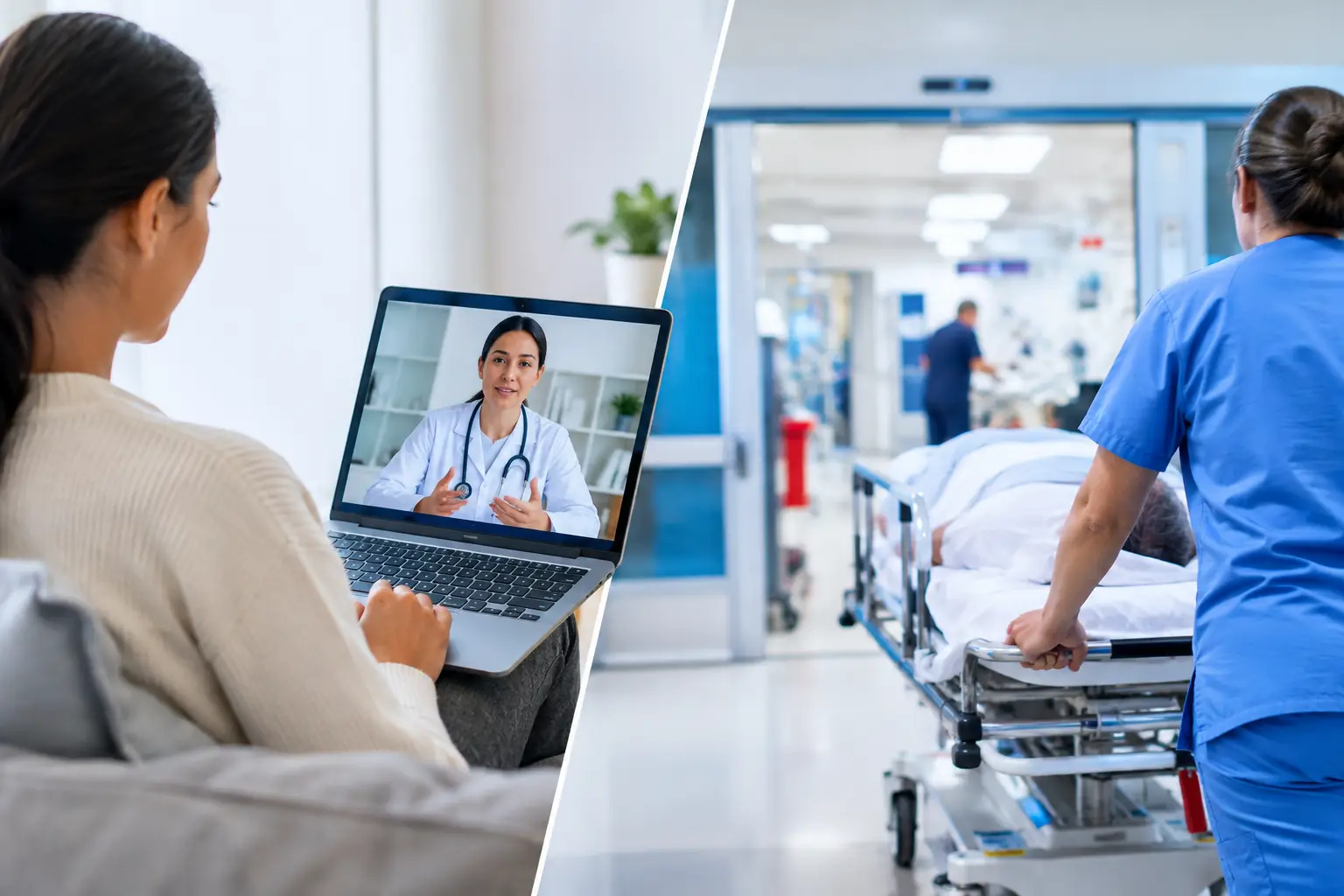
The main difference is what each service is set up to do. An online doctor assesses health concerns remotely. They listen to your symptoms, ask focused questions, review relevant history and provide advice, documentation, prescriptions or referrals where appropriate. This works well when your condition is stable and you can clearly describe what is happening.
An emergency department is for urgent physical assessment and treatment. Clinicians can examine you in person, check vital signs repeatedly, perform tests quickly and act immediately if your condition changes. That level of care is essential for serious symptoms, but it may not be necessary for routine GP matters.
Think about whether you need emergency treatment now, or medical guidance soon. A mild rash, repeat medication request or medical certificate generally belongs with a GP. Crushing chest pain, a deep cut that will not stop bleeding or sudden weakness on one side of the body belongs in emergency care.
There is a middle ground too. If you have symptoms that need an examination but are not immediately dangerous, a face-to-face GP, urgent care clinic or after-hours medical service may be more suitable. An online doctor can sometimes help you decide where to go next, but do not use telehealth to delay care for red-flag symptoms.
Questions to ask before you book
A quick self-check can make the decision clearer. Start with the pace of your symptoms. Sudden, intense or rapidly worsening symptoms need prompt in-person assessment. Symptoms that are mild, familiar and stable are more likely to be suitable for an online GP consultation.
Next, consider whether you may need a physical procedure or test today. A wound that may need stitches, a suspected fracture, severe dehydration or uncontrolled pain cannot be fully managed over a screen. The same applies if you cannot keep fluids down, are fainting, or have symptoms that make it hard to communicate clearly.
Your personal health history matters as well. Pregnant people, infants, older adults and people with serious long-term conditions or weakened immune systems may need earlier face-to-face assessment. A symptom that seems minor in one person can be more serious in another.
If you do book online, be ready to explain when symptoms began, what makes them better or worse, any medicines you take and any relevant medical history. If possible, have a thermometer reading, blood pressure result or clear photo of a visible skin concern available. This helps the doctor make a safer assessment.
What to expect from a safe telehealth consultation
A quality telehealth service should connect you with an AHPRA-registered Australian doctor using a secure, confidential system. The doctor should take your concerns seriously, ask questions that match your symptoms and explain their advice in clear language.
Sometimes the most helpful outcome is a recommendation to seek in-person care. That does not mean the consultation was unsuccessful. It means the doctor has recognised that an examination, urgent test or hospital treatment may be needed. Good care includes knowing the limits of remote care and acting on them.
At Click For Health, patients can access online GP consultations around the clock for suitable non-emergency concerns. Doctors can assist with everyday health needs, repeat scripts, certificates and referrals when clinically appropriate, all from a secure online consultation.
Do not wait when the signs are serious
Convenience matters when you are unwell, especially if you are managing work, family or living far from a clinic. But speed should never come at the expense of safety. If symptoms suggest an emergency, call 000 or attend the nearest emergency department rather than waiting for an online doctor.
For the many health concerns that are not emergencies, telehealth can make getting GP advice simple and timely. Choose the service that matches the seriousness of the situation, and give yourself permission to seek urgent help whenever something does not feel right.