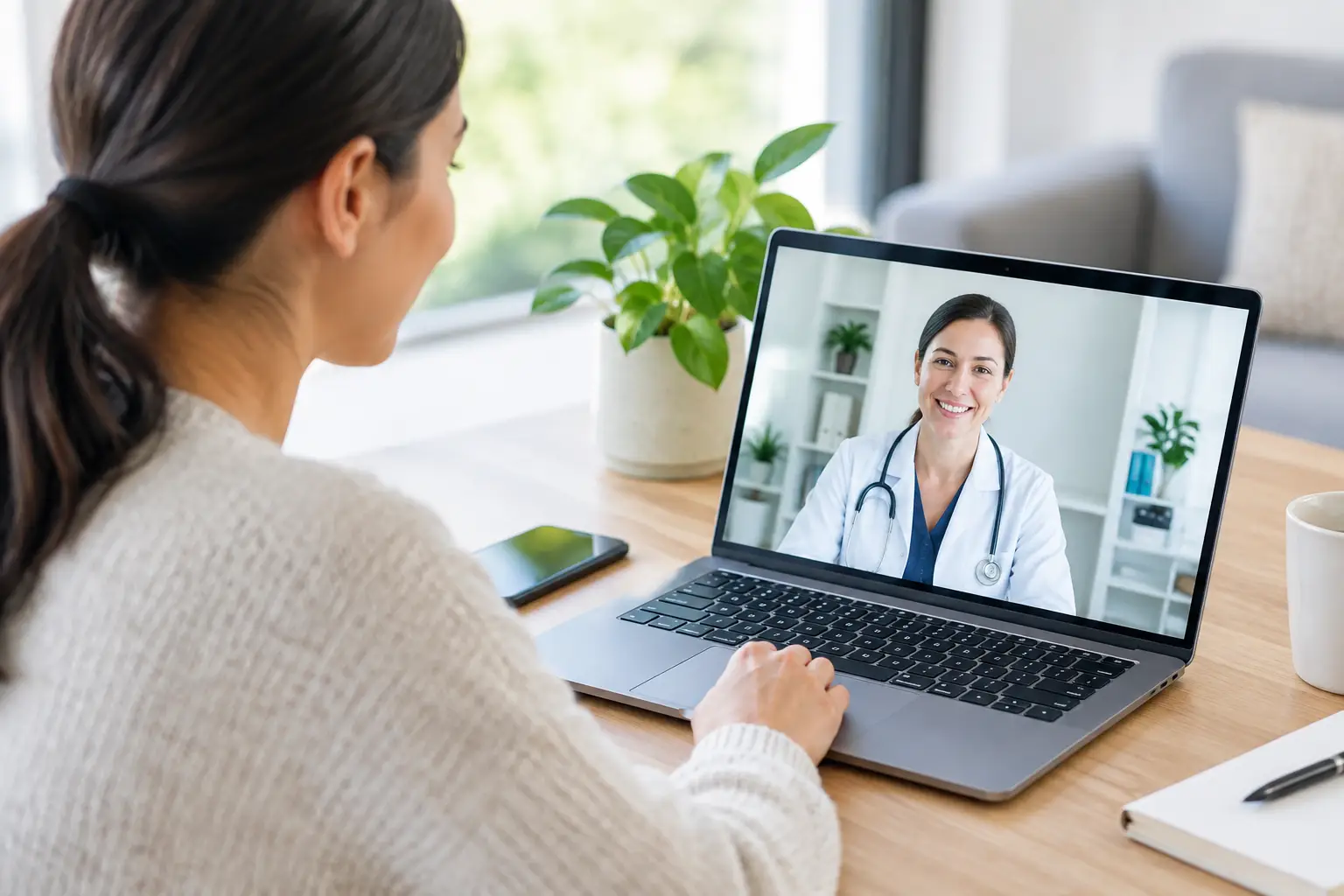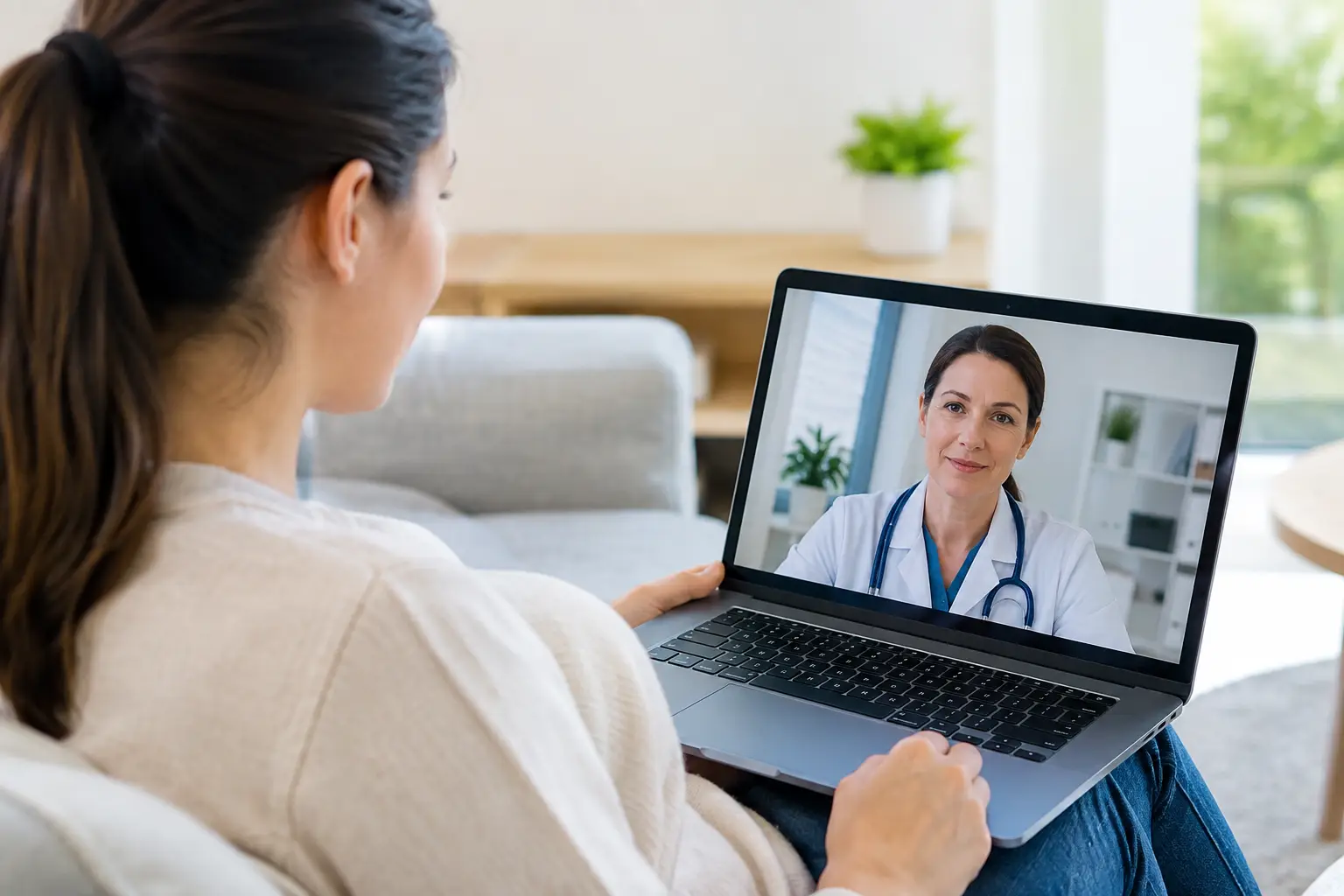
A sore throat before work, a repeat script that has run out, or a medical certificate needed for the day should not always mean rearranging your schedule around a clinic visit. Telehealth eligibility is less about ticking a single box and more about whether an online consultation gives a doctor enough information to assess you safely and provide the right next step.
For many everyday health needs, an online GP appointment can be quick, private and straightforward. But telehealth is not right for every concern. Knowing where it fits helps you book with confidence and get care without unnecessary delays.
What telehealth eligibility means
In practical terms, telehealth eligibility means you are suitable to speak with a doctor remotely by phone or video for the concern you have. You do not need a particular diagnosis to request an online appointment. Australian adults can use telehealth for a wide range of common, non-emergency health matters, whether they are at home, at work, travelling, living regionally or simply unable to get to a clinic easily.
The key question is clinical suitability. During the consultation, the doctor needs to be able to understand your symptoms, review relevant history, ask follow-up questions and decide whether remote care is safe. If they can, they may provide medical advice, a prescription where clinically appropriate, a certificate, a referral or a pathology request.
Telehealth is still a real medical consultation. AHPRA-registered doctors use their clinical judgement in the same way they would in a clinic. An appointment does not automatically guarantee a prescription, referral, certificate or test request. Those outcomes depend on your individual assessment.
Who is generally eligible for an online GP consultation?
Most adults with a non-urgent health concern can book a telehealth appointment. You will usually need to be in Australia at the time of your consultation, have a working phone or internet-connected device, and be able to communicate clearly with the doctor. You should also be prepared to provide your personal details, Medicare details if relevant, medication information and a reliable way to receive follow-up communication.
Telehealth can be especially useful when your concern is familiar, your symptoms are mild or stable, or you need help organising routine care. Common reasons people choose an online GP include managing allergies, migraines, uncomplicated cold and flu symptoms, sexual health questions, contraception, skin concerns, hair loss, pain management, diabetes or blood pressure follow-up, and weight management support.
It is also a practical option for repeat prescriptions. If you are already taking a medicine and need ongoing treatment reviewed, an online doctor can assess whether a repeat script is appropriate. The same applies to requests for medical certificates, specialist referrals and pathology or blood-test referrals.
What a doctor considers before treating you online
Telehealth eligibility can change depending on your symptoms. A doctor may begin with a few simple questions, then decide an online consultation is appropriate. In other situations, they may recommend an in-person GP appointment, a local urgent care service or emergency care instead.
The doctor will consider how severe your symptoms are, how quickly they began, whether they are getting worse and whether a physical examination is needed. They may ask about your medical history, allergies, current medications, pregnancy status where relevant, and previous test results or diagnoses.
Clear communication matters too. You should be somewhere private enough to talk openly and, where possible, have a good mobile signal or internet connection. Video can be helpful when a doctor needs to see a rash, swelling, an eye concern or how you are moving, though a phone consultation may be suitable for many requests.
If the doctor needs more information than telehealth can safely provide, that is not a failed appointment. It is the doctor putting your care first. They can explain why an in-person assessment is needed and what to do next.
When telehealth is usually a good fit
Online GP care works well for many routine and time-sensitive issues where a detailed conversation is the main part of the assessment. It can save a trip to the clinic when you need advice about a new but mild symptom, help managing an existing condition, or documentation for work, study or caring responsibilities.
For example, a parent may need advice about their own sinus symptoms after a sleepless night, a student may need a certificate for a short illness, or a regional worker may need a repeat script reviewed between shifts. These are situations where telehealth can make healthcare more accessible without adding unnecessary travel or waiting time.
It can also support continuity of care for stable chronic conditions. A doctor may review how you are responding to treatment, discuss side effects, adjust a management plan where appropriate, or arrange further testing. Some conditions still need regular physical checks, so telehealth may complement rather than replace visits to your usual GP.
When an in-person visit is the safer choice
An online consultation is not suitable for emergencies or symptoms that could signal a serious illness. Call 000 or seek urgent emergency care for chest pain, severe trouble breathing, signs of stroke such as facial drooping or weakness, severe allergic reactions, heavy bleeding, loss of consciousness, seizures, or thoughts of harming yourself or someone else.
You may also need an in-person assessment if you have severe or worsening pain, a significant injury, a high fever with concerning symptoms, dehydration, a wound that may need treatment, or a problem that requires a hands-on examination. Babies and young children with worrying symptoms often need to be seen in person as well.
For concerns such as a suspected urinary tract infection, a rash or ongoing pain, telehealth may still be a sensible first step. It depends on your symptoms, medical history and whether the doctor can make a safe decision remotely. They may arrange tests or advise you to attend a clinic after speaking with you.
Medicare, bulk billing and appointment access
Medicare eligibility and telehealth eligibility are related but not identical. You can be clinically suitable for a telehealth consultation even if the payment arrangement differs from another provider or appointment type. Whether a Medicare rebate or bulk-billed appointment is available can depend on the service, your circumstances and current Medicare requirements.
Before booking, check the appointment details and pricing so you know what to expect. A clear telehealth provider should explain fees upfront and handle your information through secure systems. Your consultation should be confidential, and your doctor should be appropriately registered to practise in Australia.
How to make your telehealth appointment more useful
A few minutes of preparation can help your doctor assess you efficiently. Have your Medicare card available if needed, along with a list of medications, allergies and any recent test results. Write down when your symptoms started, what makes them better or worse, and whether you have tried any treatment already.
If your concern is visible, such as a rash, take clear photos in good light before the appointment. If you are seeking a repeat prescription or referral, know the medicine name or specialist details if you have them. Be direct about any changes in your health, including new symptoms or side effects.
Choose a quiet, private place for the consultation. If you are looking after a child, arranging another adult to help for a few minutes can make it easier to focus on the doctor's questions. For patients who need support with technology or communication, a trusted person can assist, provided you are comfortable with them being present.
Telehealth eligibility for children and families
Parents or guardians can arrange telehealth appointments for children, particularly for straightforward concerns or advice. The doctor will consider the child's age, symptoms and overall condition before deciding whether remote care is appropriate. Be ready to describe changes in eating, drinking, sleep, temperature, behaviour and breathing.
For urgent symptoms or concerns about a very young child, an in-person assessment may be recommended. Trust your instincts. If your child appears seriously unwell, seek urgent care rather than waiting for an online appointment.
Telehealth is designed to make routine healthcare simpler, not to compromise safety. If your concern is non-emergency and you need practical GP support, booking an online consultation can be a quick way to get clear medical advice and the right next step, all from where you are.