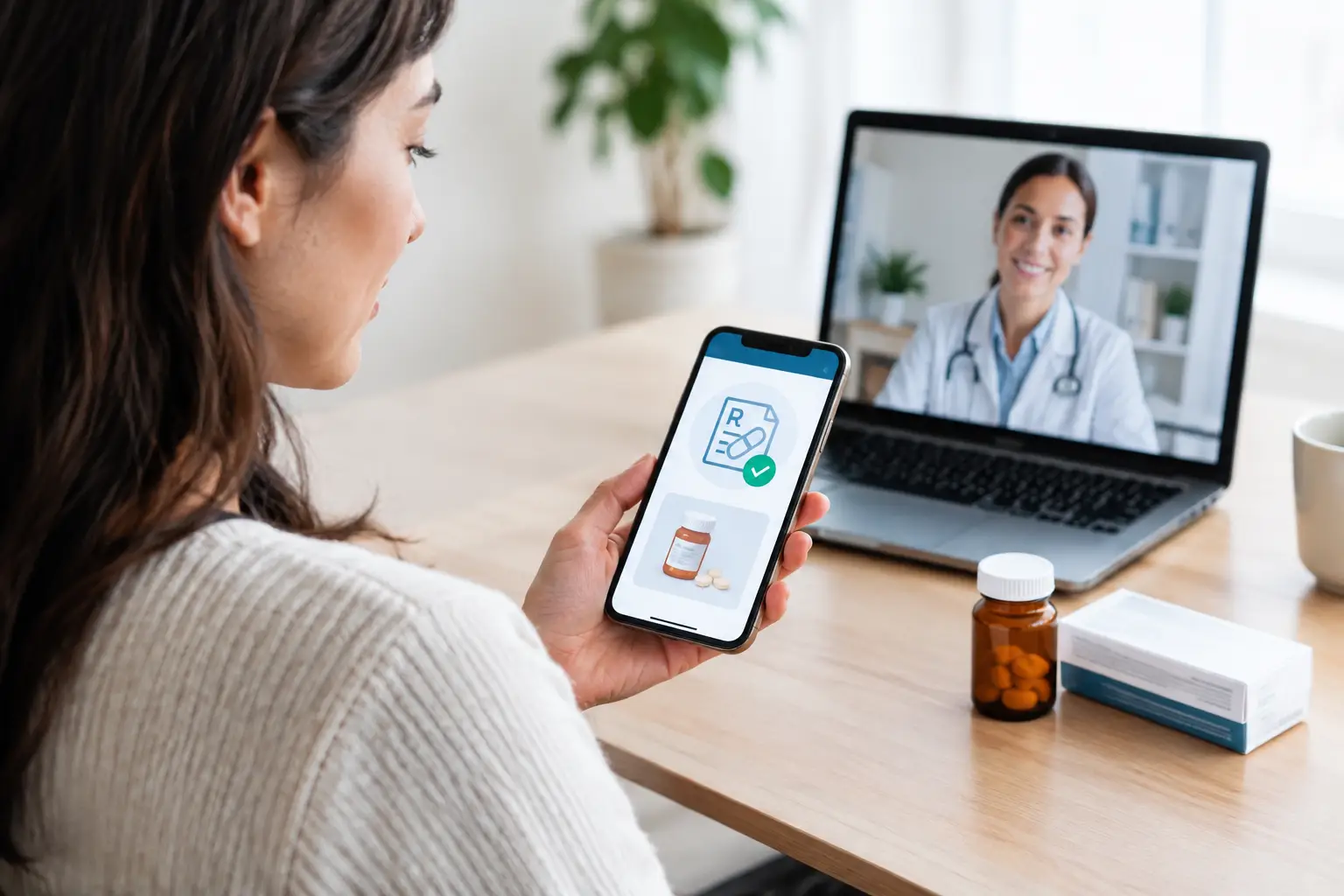
If you need women's health advice from a GP in Australia, telehealth can make a routine health task much easier. Rather than fitting a clinic visit around work, study, children or travel, you can speak with an Australian-registered doctor from home and discuss whether further care is clinically suitable.
Women's health is personal. The right care depends on your health history, preferences, current medication and life stage. A quick appointment should still feel thorough, private and focused on what works for you.
When an online women's health consult may be suitable
Telehealth is often a practical option for people who already see a GP and need a follow-up or a review of their care. It can also suit some people seeking advice about a new concern or a change to their care, provided the doctor has enough information to assess it safely.
During an online consultation, the doctor may ask about your current health, any side effects from medicines you take, your medical and family history, smoking or vaping, migraines, blood pressure, recent pregnancy, breastfeeding and other medicines or supplements. These questions are not just routine. They help identify what care is appropriate and whether you need an in-person assessment first.
For example, a history of migraine with aura, blood clots, high blood pressure, certain liver conditions or smoking at an older age can affect which options a doctor considers suitable. Your doctor will explain what can be assessed by video or phone and what needs a face-to-face visit.
An online consultation does not mean an automatic prescription. The doctor will make a clinical decision based on your individual circumstances. If a script is appropriate, it can be issued after the consultation. If it is not, you will be guided towards the next appropriate step.
What can a telehealth doctor discuss?
A telehealth doctor can talk through a range of women's health topics and help you understand your options. This may include period changes, menopause symptoms, pelvic discomfort, general wellbeing and questions about your regular medicines. If a check-up is needed, your GP may refer you to a local clinic.
Some methods require an in-person procedure. Implants and intrauterine devices, often called IUDs, need to be inserted by a suitably trained clinician. A telehealth consultation may still be helpful before that appointment, especially if you want to discuss options, review your medical history or organise a referral where appropriate.
The best choice is not always the most popular one. A daily pill may suit someone who likes a familiar routine and wants flexibility. A longer-acting method may better suit someone who does not want to remember a daily dose. Cost, bleeding patterns, acne, period pain, privacy and future pregnancy plans can all matter too.
How an online consultation usually works
The process is designed to be simple. You choose a consultation time, provide relevant health information and speak with a doctor by telehealth. There is no need to travel, sit in a waiting room or take extra time away from your day where an online appointment is clinically appropriate.
Be ready to share accurate information about your current or previous treatment, the name and dose if you know it, allergies, medical conditions and medication. If you have recently had your blood pressure checked, it can also be useful to have that reading available.
It helps to be clear about what you need. You might be asking for a follow-up review, raising a concern about side effects, or seeking advice after having a baby. There is no need to have all the answers before the appointment. The doctor is there to ask the right questions and explain your options in plain language.
At Click For Health, consultations are provided by AHPRA-registered Australian doctors through a secure telehealth system. Your health information is handled confidentially, so you can discuss women's health and sexual health without the discomfort of a busy waiting room.
When you may need to see a doctor in person
Telehealth is convenient, but it is not the right pathway for every situation. A doctor may recommend an in-person appointment if you need a physical examination, a blood pressure check, a procedure, or more detailed investigation of symptoms. Your GP may refer you to a local clinic if a check-up is needed.
You should arrange prompt medical care if you have severe lower abdominal pain, heavy or unusual bleeding, chest pain, shortness of breath, a severe headache that is different from usual, weakness on one side of the body or changes to vision. These symptoms may not be related to your original concern, but they should not be assessed through a routine telehealth request alone.
If you think you could be pregnant, tell the doctor at the start of your appointment. The next step may depend on your symptoms, the date of your last period and any earlier advice you have received.
Urgent situations need timely action
Some situations cannot wait for a routine appointment. If you are worried about something that happened recently, seek advice quickly, because timing can affect your options.
A pharmacist may be able to help with some urgent needs, depending on your circumstances. A doctor can also discuss your options, particularly if you are unsure what is suitable, take regular medicines, or need advice about what to do next.
Urgent care can also cover possible exposure to infections after sexual contact. If you are worried, ask your GP what check-up you may need and when. It is a straightforward conversation, and getting advice early can give you more options.
Getting the most from your women's health appointment
A good women's health consultation is not only about receiving treatment. It is a chance to check whether your current care still suits your health and lifestyle. Mention anything that has changed since your last visit, including new migraines, changes in smoking status, high blood pressure, surgery, a new diagnosis or a new medication.
Also raise side effects honestly. Spotting, nausea, mood changes, breast tenderness, headaches and altered periods can occur with some hormonal treatments. Sometimes these settle after a few months. Sometimes a different approach is a better fit. There is no need to put up with side effects that are affecting your quality of life without asking for help.
If you are happy with your current method and need a repeat script, telehealth can save time while still giving you access to appropriate clinical care. If your needs have changed, the same consultation can help you work out whether a new plan is worth considering.
Your health care should fit your life, not add another barrier to getting on with it. A private online appointment can be a practical first step when you need trusted medical advice, a follow-up or a clear plan for what to do next.