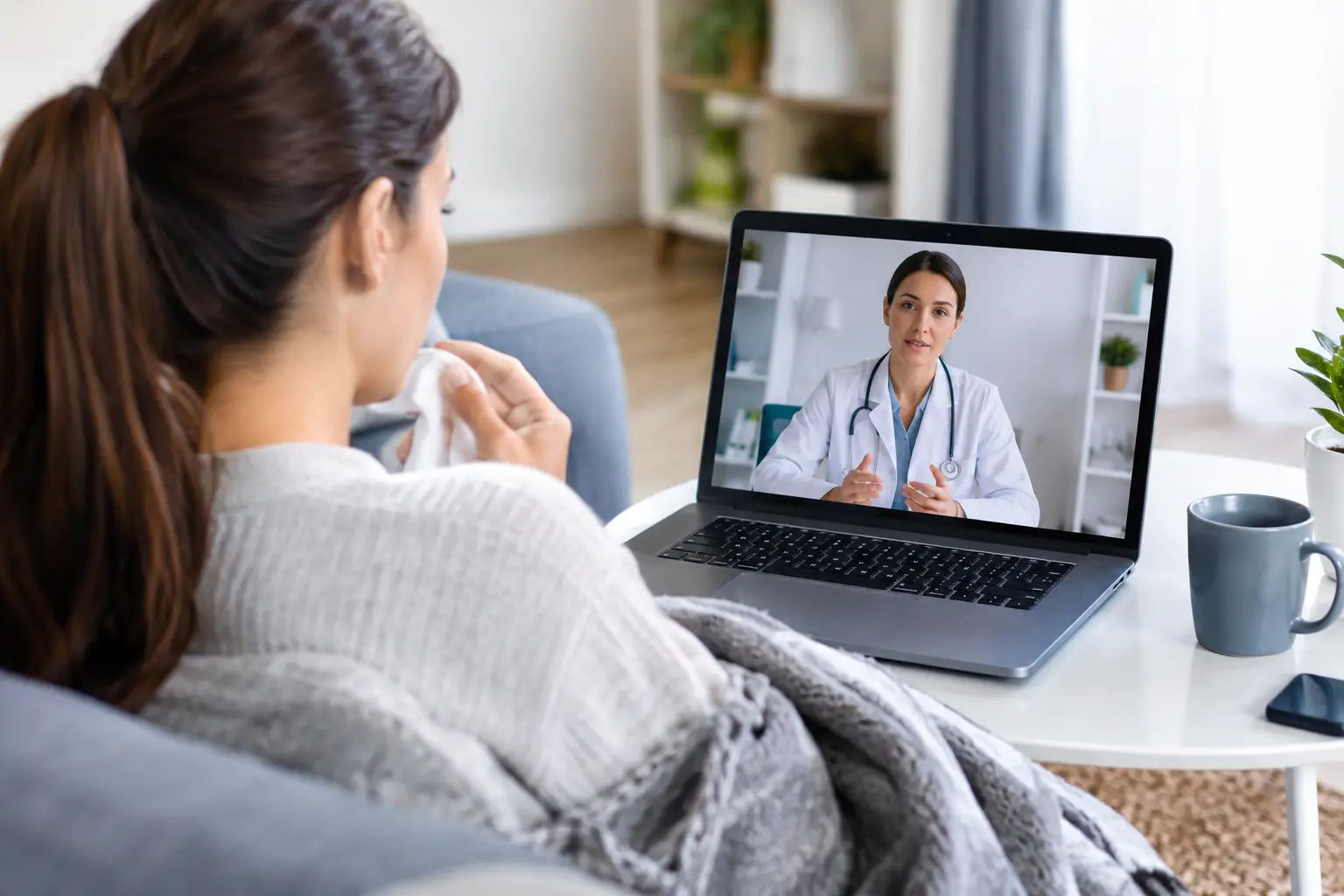
A high blood pressure reading can be easy to put off when you are busy, feel otherwise well, or cannot get to a clinic during business hours. But high blood pressure often has no obvious symptoms, and leaving it unmanaged can increase the risk of heart disease, stroke and kidney problems. An online doctor for high blood pressure can help you take the next sensible step without the extra travel, waiting room or time away from work.
Telehealth is not a replacement for every part of blood pressure care. It is, however, a practical way to discuss readings, review medicines, organise repeat scripts or pathology referrals, and decide whether you need to be seen in person. For many Australians, that makes staying on top of an ongoing condition much easier.
When an online doctor for high blood pressure can help
Online GP consultations can suit people who have recently recorded higher-than-usual readings, have been diagnosed with hypertension, or need ongoing support with a treatment plan. You may have noticed elevated results on a home monitor, at a pharmacy or during a workplace check. You may also be due for a repeat prescription and do not want to interrupt treatment while waiting for an appointment with your usual GP.
During a telehealth consultation, an Australian-registered doctor can talk through your readings, symptoms, medical history and current medicines. They can assess whether your results may be affected by factors such as stress, pain, illness, caffeine, smoking, alcohol, poor sleep or an incorrectly fitted cuff. They can also consider other health conditions that may affect blood pressure, including diabetes, kidney disease and sleep apnoea.
Depending on your clinical needs, the doctor may provide medical advice, issue an appropriate prescription or repeat script, arrange a pathology referral, or refer you for further assessment. If you have an existing blood pressure management plan, telehealth can be a convenient option for follow-up care between face-to-face visits.
A reading is useful, but the pattern matters more
One high result does not always mean you have ongoing high blood pressure. Blood pressure naturally changes through the day, and a rushed morning, a strong coffee or a stressful phone call can affect a reading. That is why doctors usually look for a pattern rather than relying on a single number.
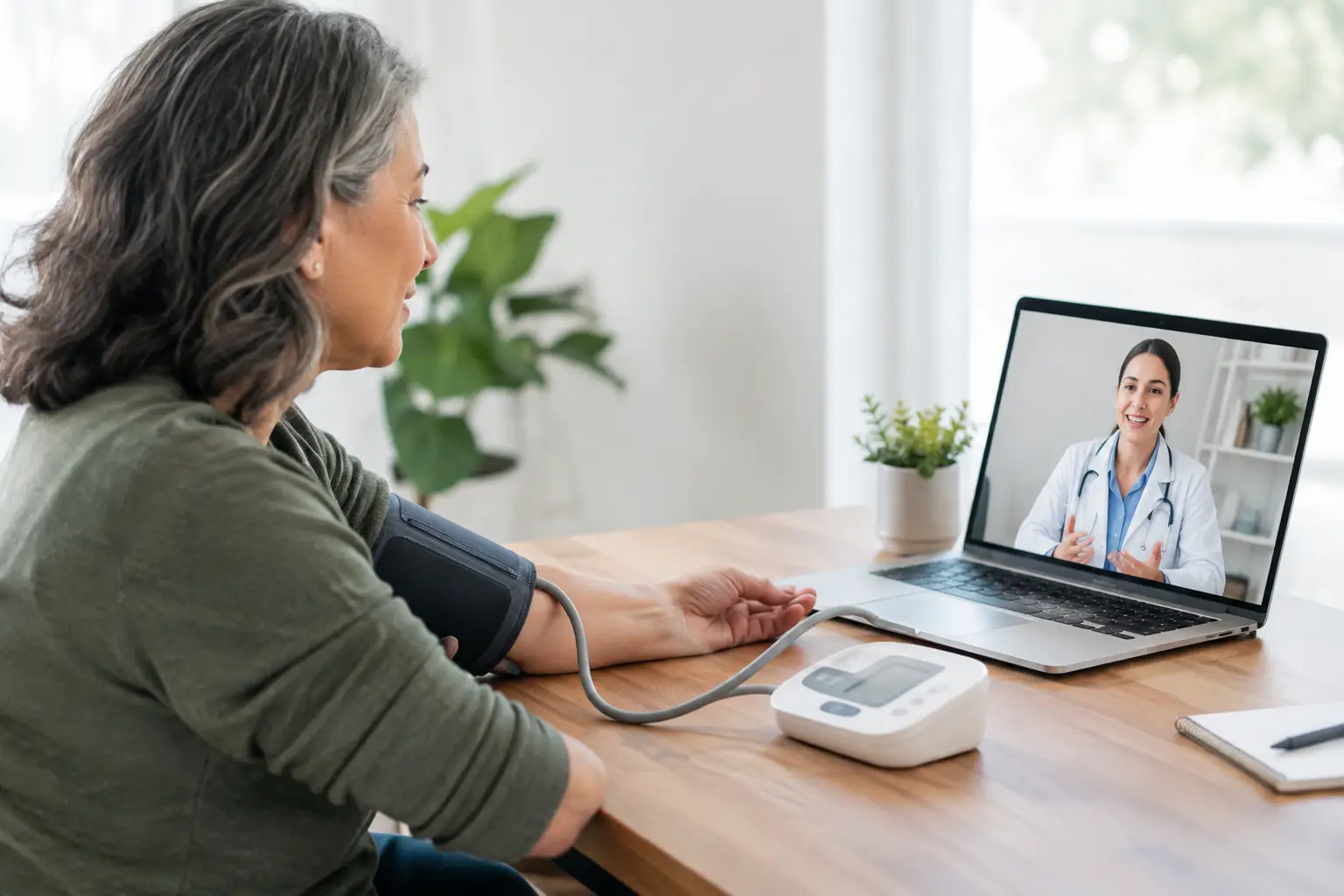
If you have a home blood pressure monitor, record readings at consistent times over several days before your appointment where possible. Sit quietly for five minutes first, keep both feet on the floor, support your arm at heart level and avoid talking while the device is measuring. Take two readings about a minute apart and write down both results, along with the date and time.
Bring that record to your online consultation. It gives the doctor a clearer picture than trying to remember a few numbers from the week. Let them know which arm you used, whether your monitor has been checked for accuracy, and whether you had symptoms at the time.
What your doctor may ask
A good telehealth appointment is straightforward, but preparation helps. Your doctor may ask about headaches, dizziness, chest discomfort, breathlessness, vision changes, swelling, palpitations or fatigue. They will also want to know about your family history, current medicines and supplements, smoking or vaping, alcohol intake, physical activity, diet and sleep.
Be open about missed doses or side effects. Many people stop a medicine because it makes them feel unwell, then delay discussing it because they think they have done something wrong. Your doctor needs the full picture to help find a safe and workable option. Do not stop, start or change prescribed blood pressure medicine without medical advice unless you are told to do so in an emergency.
Prescriptions, tests and ongoing care from home
High blood pressure management is often a long-term process. Your doctor may need to review whether treatment is working, whether side effects are manageable and whether other risk factors need attention. An online appointment can make these regular check-ins less disruptive, especially for people balancing work, family responsibilities, study or regional travel.
Where clinically appropriate, a telehealth doctor may issue a new prescription or repeat script for your blood pressure medicine. They may also arrange blood tests to check kidney function, cholesterol, blood sugar or electrolytes. These tests can help guide safe treatment decisions, particularly when medicines are being started or adjusted.
Lifestyle changes can make a meaningful difference too, although the right approach depends on the person. Your doctor may discuss reducing salt, eating more whole foods, increasing activity gradually, improving sleep, limiting alcohol or seeking support to quit smoking. These changes are not a quick fix, and they do not mean medication has failed. For some people, both lifestyle changes and medication are needed to reduce cardiovascular risk.
Click For Health connects patients with AHPRA-registered Australian doctors, making it easier to access this kind of routine GP support from home, work or wherever you are in Australia. Consultations are private and designed to be simple, with appointments available when you need them.
When telehealth is not enough
An online consultation has clear limits. A doctor cannot physically examine you, check your blood pressure with their own equipment, perform an ECG or immediately manage a serious deterioration through a screen. If the doctor believes you need a physical examination, urgent tests or hospital assessment, they will advise you on the right next step.
Seek urgent medical help if your blood pressure is 180/120 or higher after a repeat reading, particularly if you have chest pain, severe headache, shortness of breath, weakness or numbness, trouble speaking, confusion, fainting, new vision problems or severe back pain. Call 000 for emergency symptoms. Do not wait for a routine online appointment if you think you may be having a stroke, heart attack or another medical emergency.
You may also need face-to-face care if you are pregnant or recently gave birth and have high readings, headaches, visual changes, upper abdominal pain or sudden swelling. High blood pressure in pregnancy needs prompt assessment.
How to make your appointment more useful
Before booking, have your home readings ready if you have them. Keep your medication list nearby, including dose and how often you take each medicine. It is also helpful to note any new symptoms, recent test results, allergies and questions you want answered.
Choose a quiet, private place for the consultation and make sure your mobile has enough charge and reliable reception. If you are discussing a medicine change, ask what to expect, when to check your readings again and what symptoms should prompt earlier review. Clear instructions make it easier to follow the plan once the appointment ends.
High blood pressure is often manageable, but it deserves consistent attention rather than guesswork. A timely conversation with a doctor can turn a concerning number into a clear plan for what to do next.